
Growing Cucumbers at High Altitude
In-Ground and Container Gardening Made Possible
Cucumber gardening in high altitude environments can feel intimidating at first. Short growing seasons, cool nights, low humidity, and rocky soil all work against this warm-weather crop. But while growing cucumbers at elevation presents unique challenges, it is far from impossible.

With the right techniques, proper timing, and a few altitude-specific adjustments, high altitude gardeners can grow healthy, productive cucumber plants—both in the ground and in containers. Whether you’re gardening in the mountains, a high desert climate, or anywhere above 5,000 feet, this guide will walk you through everything you need to know for success.
Understanding the High Altitude Climate Challenge
The first and most important factor to consider when growing cucumbers at high altitude is climate.
Cucumbers are warm-season plants that thrive in daytime temperatures between 70–85°F and prefer consistently warm nights. At higher elevations, gardeners often face:
Cooler daytime temperatures
Cold nighttime lows, even in midsummer
Shortened growing seasons
Low humidity and drying winds
Sudden temperature swings
These conditions can slow cucumber growth, reduce pollination, and cause flowers to drop before fruit sets. To overcome this challenge, high altitude gardeners must focus on extending the season and protecting plants from cold stress.
Starting Cucumbers Indoors for Short Growing Seasons
One of the most effective strategies is starting cucumber seeds indoors in early spring.
Start seeds 3–4 weeks before your last expected frost
Use biodegradable pots to reduce transplant shock
Transplant outdoors only after soil temperatures reach at least 60°F
This head start allows cucumber plants to establish quickly once planted outdoors, making better use of the short growing season.
Choosing the Right Location
Whether you’re planting in the ground or in containers, location matters.
Choose a spot that:
Receives full sun (6–8 hours minimum)
Is protected from strong winds
Faces south or southwest if possible
Benefits from reflected heat near walls or fences
At high altitude, more sun equals warmer soil—and warmer soil means faster growth.
Soil Quality: The Foundation of Success
Another critical factor in high altitude cucumber gardening is soil quality.
Cucumbers prefer:
Well-draining soil
Rich organic matter
pH between 6.0 and 7.0
High altitude soils are often rocky, compacted, or low in organic matter. Left unamended, they may not provide the nutrients cucumbers need to grow and produce fruit.
Preparing Soil for High Altitude Cucumber Gardening
To improve soil quality:
Add compost or aged manure before planting
Work organic matter into the top 8–12 inches of soil
Avoid fresh manure, which can burn roots
These amendments improve drainage, increase fertility, and help soil retain moisture—especially important in dry, high-elevation climates.
Raised beds are an excellent option because they warm faster in spring and allow better control over soil conditions.
Growing Cucumbers In-Ground at High Altitude
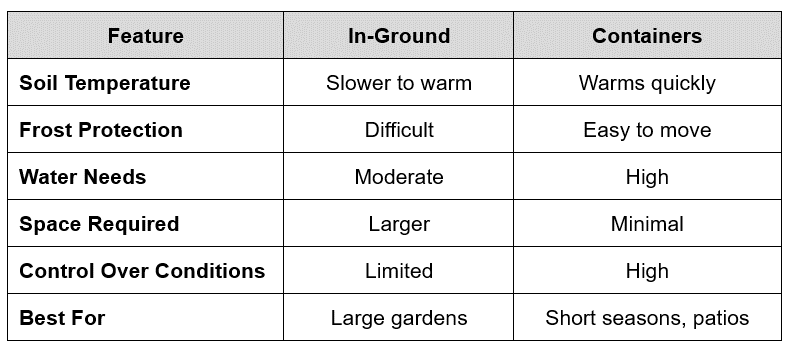
In-ground gardening works well for cucumbers when soil is properly prepared.
Planting Tips
Space plants 12–18 inches apart
Plant seeds 1 inch deep
Install trellises at planting time
Mulch heavily after seedlings emerge
Mulch helps regulate soil temperature, conserve moisture, and reduce weed competition.
Growing Cucumbers in Containers at High Altitude
Container gardening is often one of the best options for high altitude cucumber growers.
Containers:
Warm faster than ground soil
Allow mobility during cold snaps
Provide better control over soil and water
Work well for patios, decks, and small spaces
Best Containers and Pot Sizes for Cucumbers
Minimum 5–7 gallons per plant
Excellent drainage holes
High-quality potting mix (not garden soil)
One plant per container
Bush or compact cucumber varieties perform best in containers.
Watering Cucumbers in High Elevation Climates
Watering is one of the most critical—and challenging—tasks in high altitude cucumber gardening.
Low humidity and increased sun exposure cause soil to dry out quickly, which can stress plants and lead to bitter fruit.
Best Watering Practices
Water deeply and consistently
Aim for 1–2 inches of water per week
Increase frequency during hot or windy weather
Water at the base of plants to prevent disease
Drip irrigation systems are especially helpful, delivering moisture directly to the roots while conserving water.
Managing Pollination Challenges
Cool temperatures and unpredictable weather can limit pollinator activity at higher elevations.
Signs of poor pollination include:
Flowers falling off
Misshapen cucumbers
Fruit that stops growing early
Solutions
Plant pollinator-friendly flowers nearby
Hand-pollinate using a small brush
Choose parthenocarpic varieties that don’t require pollination
Pest Control for High Altitude Cucumbers
Cucumber plants are susceptible to pests such as:
Aphids
Cucumber beetles
Spider mites
While pest pressure may be lower at elevation, infestations can still occur.
Prevention Tips
Monitor plants regularly
Use row covers early in the season
Encourage beneficial insects
Apply organic pest control solutions as needed
Healthy, unstressed plants are far more resistant to pests than weakened ones.
Pruning and Trellising for Healthier Plants
Proper pruning and trellising play an important role in high altitude cucumber success.
Left unmanaged, cucumber plants can become sprawling and unproductive.
Benefits of Pruning and Trellising
Improves airflow
Reduces disease risk
Directs energy toward fruit production
Saves garden space
Makes harvesting easier
Vertical growth is especially helpful in cooler climates where airflow and sun exposure matter..
Harvesting and Season Extension
Harvest cucumbers frequently to encourage continued production.
Pick slicing cucumbers at 6–8 inches
Harvest early in the morning
Remove overripe fruit promptly
Extending the Cucumber Growing Season in Cold Climates
Use row covers in early fall
Move containers indoors during cold nights
Choose fast-maturing varieties
High Altitude Cucumbers Are Worth the Effort
While cucumber gardening at high altitude comes with challenges, it is absolutely achievable with thoughtful planning and care. By understanding your climate, improving soil quality, watering consistently, managing pests, and using tools like trellises and containers, you can enjoy a productive cucumber harvest—even in mountain and high desert regions.
With patience and the right strategies, fresh, homegrown cucumbers can be a reliable part of your high altitude garden.