High-Altitude Vegetable Gardening Made Simple
Practical, elevation-specific guidance for growing vegetables in short seasons, dry air, strong sun, and unpredictable mountain weather.
Life above 3,000 feet changes how everything grows.
Simply Altitude helps you understand what works, what struggles, and how to build a vegetable garden that actually thrives at altitude.
Take the Guesswork Out of High-Altitude Gardening
Stop relying on trial and error. Get a clear, printable reference designed specifically for gardening at elevation.
Why Vegetable Gardening Is Different at High Altitude
If you’ve tried gardening the same way you did at lower elevations, you’ve probably noticed you can get different results. High altitude brings unique challenges that require a different approach.
At elevation, gardeners face:
Shorter growing seasons and late spring frosts
Cool nights and wide temperature swings
Dry air that pulls moisture from soil quickly
Intense sun and frequent wind exposure
Soil that warms slowly and drains fast
Understanding these differences is the first step toward a successful high-altitude vegetable garden.
Vegetables That Thrive at Elevation
Not every crop loves altitude—but many do exceptionally well with the right care and timing.
Leafy Greens
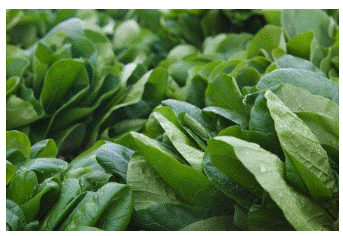
Lettuce, spinach, kale, arugula
Fast-growing and cold-tolerant, leafy greens are ideal for short seasons.
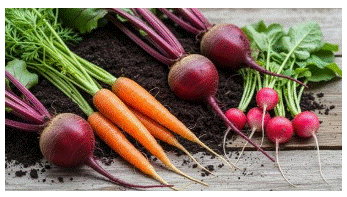
Root Vegetables
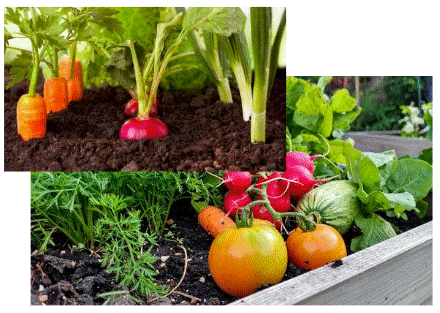
Carrots, beets, radishes, turnips
Root crops handle cool soil well and are less affected by wind and temperature swings.
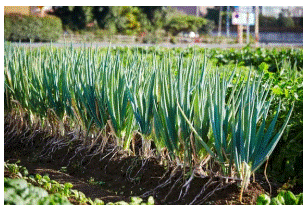
Cool-Season Crops
Peas, onions, broccoli, cabbage
These vegetables thrive in cooler daytime temperatures and chilly nights.
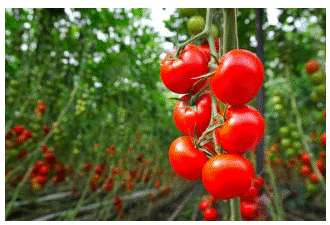
Warm-Season Vegetables (With Protection)
Tomatoes, peppers, squash
With frost protection, containers, or season extenders, warm-season crops can still succeed.
Choosing the Right Garden Setup
Your garden structure for vegetables matters just as much as what you plant—especially at elevation.
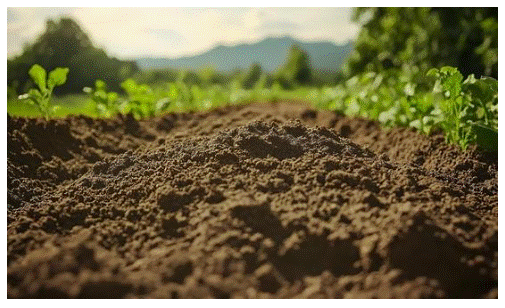
In-Ground Gardens
Learn more: In Ground Gardening at High Altitude →
Better insulation for roots
Requires soil amendment and wind protection
Best for permanent or larger spaces
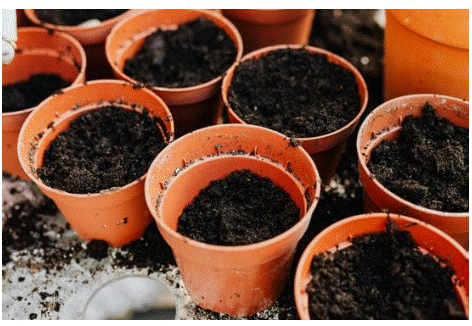
Container Gardens
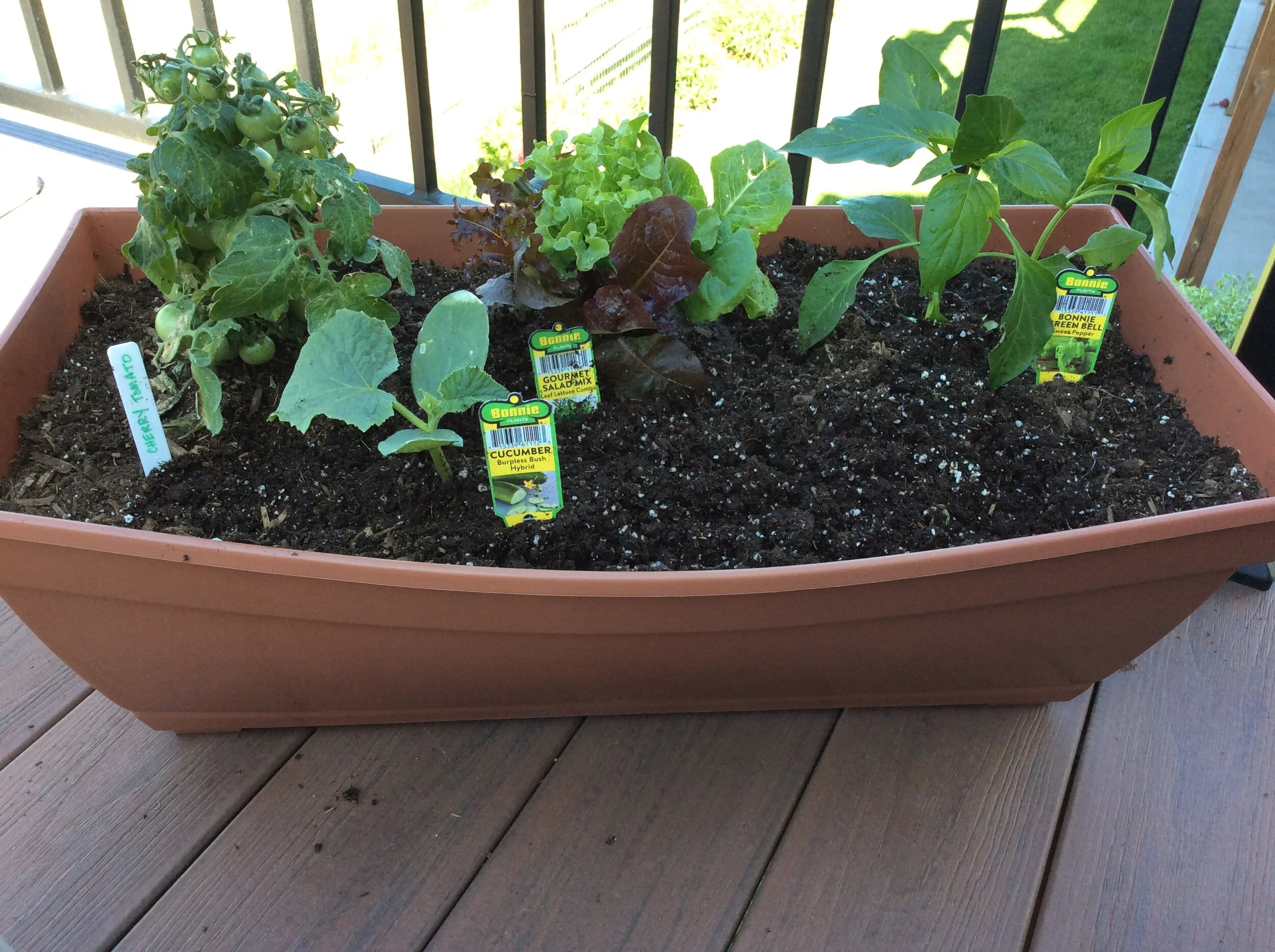
Learn more: Container Gardening at High Altitude →
Soil warms faster in spring
Easier frost protection and mobility
Ideal for patios, decks, and small yards
High-Altitude Growing Seasonal Guidance
Seasonal Vegetable Gardening at High Altitude
Knowing when to plant—and when to protect—is key at elevation. For maximum crop production, frost protection and water management are crucial.
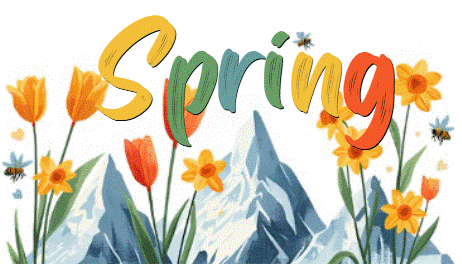
In spring, late frosts are common. Focus on cold-tolerant crops and protect seedlings.

In summer, water deeply and consistently. Watch for sun stress and wind damage.
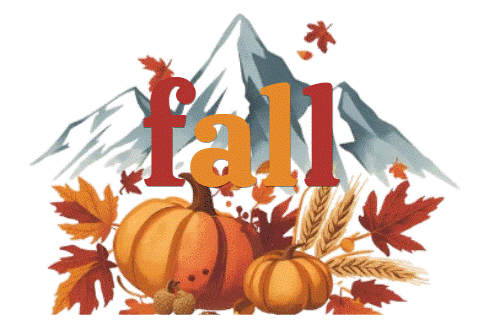
In fall, extend the season with row covers, cold frames, or containers.

In winter, plan next season, improve soil, and prepare beds for spring.
Common High-Altitude Gardening Mistakes
Even experienced gardeners run into trouble when altitude is ignored.
Common mistakes include:
Planting too early in spring
Overwatering shallow or fast-draining soil
Underestimating wind exposure
Skipping frost protection altogether
Avoiding these mistakes can dramatically improve your garden’s success.
High-Altitude Gardening Resources




Explore More High-Altitude Gardening Guides
Looking for deeper guidance? Start here:
Altitude Affects More Than Your Garden
From how bread rises to how your body hydrates, elevation changes everything.
Explore more resources below:
New to life at elevation?
GRAB OUR FREE RESOURCE GUIDE BELOW:
Living at High-Altitude Resource Guide | Baking, Gardening, and Thriving Above the Clouds