
In-Ground Gardening at High Altitude
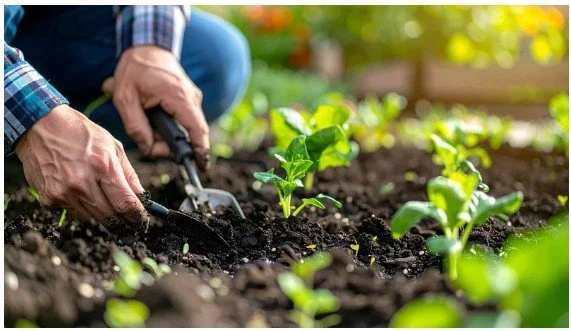
The High-Altitude Gardener’s Guide to In-Ground Success
Whether you are looking out over a valley in the Rockies or nestled in the high desert, gardening in-ground at high altitude is an act of partnership with a rugged, beautiful, and often stubborn environment.
While many mountain gardeners gravitate toward raised beds for ease of use, in-ground gardening offers distinct advantages—namely better temperature insulation for roots and access to the natural mineral profile of your local soil. However, you aren't just gardening; you are managing a microclimate. At 5,000 feet and above, you deal with intense UV rays, a short growing season, and soil that often needs amending to produce abundant crops.
This guide will walk you through the nuances of planting directly into the earth at high elevations.
Why In-Ground Gardening Is Different at High Altitude
In-ground gardening at sea level is often about managing weeds and rain. At high altitude, it is about managing extremes.
The Thermal Mass Advantage
One of the biggest differences is soil temperature. While raised beds warm up faster in the spring, they also freeze faster in the fall. In-ground soil has thermal mass. The deep earth stays cooler during the scorching midday sun and holds onto the day’s heat longer when the sun dips behind the peaks. This stability is vital for perennial survival.
The UV Factor
At high altitudes, the atmosphere is thinner, meaning there is less protection from ultraviolet radiation. Plants in the ground face a double-edged sword: they get plenty of energy for photosynthesis, but they are also prone to sunscald. In-ground plants often need more strategic positioning than those at sea level to avoid being baked alive by the 2:00 PM sun.
Atmospheric Thirst
The air at high altitude is notoriously dry. This creates a high evapotranspiration rate. This means water doesn't just drain away; it vanishes into the air. In-ground gardening allows you to use the earth as a reservoir, but only if you manage the surface correctly to prevent the wicking effect of the dry wind.
For more detailed information, you can see our specific pages on growing Vegetables at altitude, Fruit at altitude and Flowers at altitude.
In-Ground Vegetable Gardening at High Altitude
Growing your own food at 6,000+ feet is entirely possible, but you have to choose your battles. You are working with a compressed timeline—often as few as 90 frost-free days. Vegetables grown directly in the ground benefit from deeper root systems, improved moisture retention, and temperature stability — when properly managed.
Focus on Cool-Season Champions
While gardeners in the south struggle to keep lettuce from bolting, high-altitude gardeners can grow the best greens in the country. Root vegetables and brassicas thrive in the cooler ground temperatures.
Root Crops: Carrots, beets, and radishes love in-ground gardening as the earth protects the vegetable from frost. Interestingly, carrots grown at altitude are often sweeter because the cold temperatures trigger the plant to convert starches into sugars as a natural antifreeze.
Leafy Greens: Spinach, kale, and Swiss chard are incredibly hardy. In many mountain zones, you can plant these in the ground as soon as the soil can be worked.
The Challenge of Heat-Lovers
Tomatoes, peppers, and eggplants are the divas of the high-altitude garden. They require soil temperatures of at least 60°F to grow.
The In-Ground Fix: Use "Wall-o-Water" insulators or black plastic mulch to pre-heat the ground two weeks before planting. Choose Determinate or Short-Season varieties (look for labels like Siberian or Early Girl) that mature in 60 days or less.
You can get more detailed information on high elevation vegetable gardening, by visiting our Vegetables at altitude page.
In-Ground Fruit Gardening at High Altitude
Fruit trees, shrubs, and berries require careful placement, frost protection, and soil management to produce reliably at elevation.
Fruit trees and bushes are long-term investments. At high altitude, the challenge isn't just the cold; it's the false spring. A warm week in March can coax a peach tree into blooming, only for a late April snowstorm to kill every flower—and your entire harvest.
Tree Fruit: Think Pomes and Stone Fruits
Apples and Pears: These are the most reliable in-ground fruit trees for the mountains. Look for Late-Blooming varieties so they stay dormant until the danger of heavy frost has passed.
Cherries and Plums: These can thrive if planted in an a protected area. At high altitude, the south side of a building might seem like a good idea, but it’s actually dangerous—the reflected heat can wake the tree up too early in the spring.
Berry Bushes: The High-Altitude Superstars
If you want guaranteed fruit, go for berries.
Raspberries: They love the cool nights and rocky soil of the mountains. Since they bloom on new wood (for fall-bearing types), they are less susceptible to spring frost damage.
Strawberries: In-ground strawberries act as a perennial groundcover. The snow acts as a perfect insulator, protecting the crowns from the deep winter freeze.
For more detailed information on high elevation fruit gardening, come see our Fruit at altitude gardening page.
In-Ground Flower Gardening at High Altitude
Flowers bring color and pollinators to your garden, but must withstand temperature swings and intense sun.
Flowers at altitude have colors that are often more vivid than those at sea level due to the intense UV light. However, the wind and dry air mean you should prioritize Native and Xeric (water-wise) species.
Perennials for the Long Haul
Perennials are the backbone of the high-altitude flower bed because their root systems stay protected underground during the harsh winters.
Columbine: The state flower of Colorado for a reason. It thrives in the dappled shade of the mountains.
Lavender and Sage: These silver-leafed plants have evolved to reflect UV rays and hold onto moisture. They love the well-drained, slightly alkaline soil often found at high elevations.
Poppies: Whether Oriental or California varieties, poppies adore the cool spring ground and the bright sun.
The Annual Wait
It is tempting to buy flats of Petunias in May, but wait! At high altitude, the "safe" date for planting annuals in the ground is often not until Mother’s Day. A May blizzard can wipe out your entire garden purchase.
For more detailed information on growing beautiful flowers at high elevation, check out Flowers at altitude.
Soil, Water & Frost Management
Healthy soil and smart water use are the foundation of successful in-ground gardens at altitude.
If you master the following elements, the rest of the garden will follow:
1. Soil: From Sand to Clay
High-altitude soil is usually one of two extremes: heavy, un-weathered clay or fast-draining decomposed granite (sand).
The Fix: Do not replace your soil. Instead, amend it. Add organic compost or well-rotted manure to the top 6 inches. This improves the texture and helps the soil hold onto water.
pH Balance: Mountain soils are often alkaline (high pH). Avoid adding lime; instead, use sulfur-based amendments if you want to grow acid-loving plants like blueberries (though these are often better in pots).
2. Water: The Lifeblood
In-ground plants need a deep soak rather than a light misting.
Deep Watering: Water early in the morning (4:00 AM – 8:00 AM) to allow the moisture to reach the roots before the sun evaporates it.
Mulching is Mandatory: You must mulch your in-ground beds. 3–4 inches of wood chips or straw acts as a lid for your soil, keeping the moisture in and the root temperatures stable.
3. Frost Management: Keeping Plants Warm
Frost is a constant threat. Even in July, a cold snap can drop temperatures to 32°F in high valleys.
Frost Cloth: Keep a roll of professional-grade frost cloth (not plastic) ready. Plastic touches the leaves and transfers the cold; frost cloth breathes and traps the earth's heat.
Pre-Frost Watering: If you know a frost is coming, water your garden deeply. Moist soil holds heat better than dry soil and can actually keep the air immediately around the plants a few degrees warmer.
Master High-Altitude Gardening Today!
Gardening in-ground at high altitude is a lesson in patience and observation. You learn to read the clouds over the peaks and feel the moisture in the wind.
While the challenges are many, the rewards—the crunchiest carrots, the most vibrant columbines, and the pride of growing in a "harsh" climate—are unmatched.
Your High-Altitude Checklist:
Check your Frost Dates: Know your average last frost and first frost.
Test your Soil: Know if you're dealing with clay or granite.
Plant Native: When in doubt, look at what is growing on the mountain next to you.
Mulch, Mulch, Mulch: Never leave the soil "naked" to the sun.


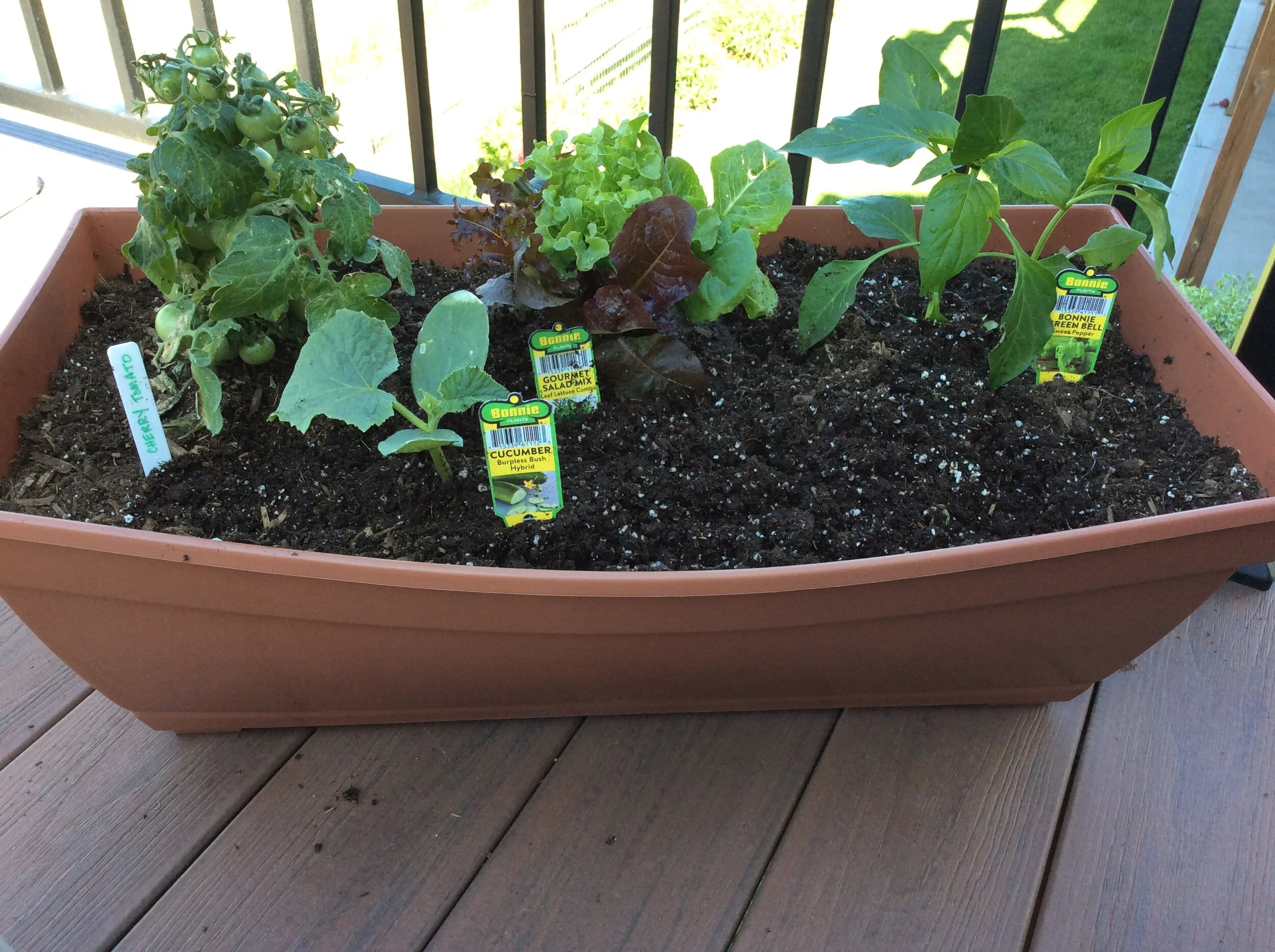


Explore More High-Altitude Gardening Guides
Looking for deeper guidance? Start here:
Altitude Affects More Than Your Garden
From how bread rises to how your body hydrates, elevation changes everything.
Explore more resources below:
New to life at elevation?
GRAB OUR FREE RESOURCE GUIDE BELOW:
Living at High-Altitude Resource Guide | Baking, Gardening, and Thriving Above the Clouds