
Fast Growing Vegetables to Start Indoors
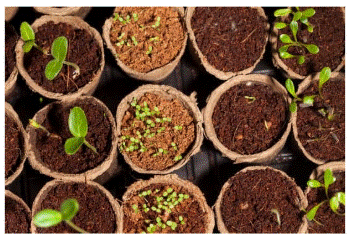
Fast-Growing Vegetables to Start Indoors at High Altitude to Extend Your Growing Season
High-altitude gardening presents unique challenges. and exciting opportunities.
Cooler temperatures, shorter growing seasons, and intense sunlight can make it tough to grow a certain variety of vegetables—but with smart planning and the right crops, you can still enjoy abundant harvests. One of the best strategies for gardeners in mountainous regions is to start fast-growing vegetables indoors and transplant them once conditions are right. This allows plants to get a head start, extending your growing season and maximizing your yield.
Whether you’re gardening at 3,000 feet, 7,000 feet, or higher, we’ll walk you through the best vegetables to start indoors, how to care for seedlings, and transplant tips specific to high-altitude gardens.
Why Start Vegetables Indoors at High Altitude?
At high altitudes, frost can arrive in late summer/early fall and linger late into spring. Dramatic temperature swings between day and night, along with intense UV radiation can stress young plants. By starting seeds indoors you have:
A longer growing season before frost risks outdoor planting.
Healthier, stronger seedlings that can better tolerate environmental stressors.
Better control of temperature and moisture during critical early growth stages.
Expanded planting options—including heat-loving crops that wouldn’t survive if sown directly outdoors.
When you start seeds indoors, you extend the season without greenhouses (though a greenhouse or hoop house can further boost success).
Top Fast-Growing Vegetables to Start Indoors
Below are some great choices for indoor starts—especially at high altitude. These vegetables germinate quickly and transplant well. They produce harvestable crops in a short time and thrive outdoors once conditions improve.
Lettuce and Other Leafy Greens
Lettuce and other greens like spinach, arugula, and Swiss chard sprout quickly and can tolerate cooler temperatures—perfect for high-altitude gardens.
Germination & Growth:
Sprouts in 7–14 days
Harvest baby greens as early as 3–4 weeks
Mature heads in 45–60 days
Tips:
Use shallow trays or flats.
Thin seedlings to prevent crowding.
Harden off (acclimate to outdoor conditions) before transplanting.
Best Varieties:
Leaf lettuce (e.g., Black Seeded Simpson)
Spinach (Bloomsdale Long Standing)
Arugula (Wild Rocket)
Swiss chard (Bright Lights)
Peas
Start seeds indoors to give them a head start. Peas tolerate cooler soil and can go out early in the season before the last frost.
Germination & Growth:
Sprouts in 7–14 days
Harvest in 60–70 days
Tips:
Provide support at planting time - ie, trellis or netting
Keep soil evenly moist.
Best Varieties:
Sugar Snap
Snow Peas
Garden Peas
Radishes
Radishes are often ready to harvest in 3–4 weeks making them one of the fastest crops you can grow. Ideal for squeezing between slower crops in the garden.
Germination & Growth:
Sprouts in 3–7 days
Harvest in 25–35 days
Tips:
Don’t start them indoors too early—radishes like cool weather.
Plant a new batch every 10–14 days for continuous harvests.
Best Varieties:
Cherry Belle
French Breakfast
Sparkler Blend
Brassicas (Broccoli, Cabbage, Cauliflower, Kale)
Brassicas can withstand high-altitude conditions and thrive in cooler weather. Starting them indoors helps reach maturity before heat stress in summer.
Germination & Growth:
Sprouts in 5–10 days
Harvest in 50–80 days (depending on crop)
Tips:
Start these indoors about 6–8 weeks before last frost.
Harden seedlings well—they like cool outdoor temps.
Best Varieties:
Broccoli (Calabrese)
Cabbage (Golden Acre)
Cauliflower (Snowball Y)
Kale (Winterbor)
Beets
Beets have early rapid growth and can be transplanted successfully if handled gently.
Germination & Growth:
Sprouts in 7–14 days
Harvest in 50–60 days for baby beets
Tips:
Beets don’t like root disturbance—choose peat pots or plug cells to minimize shock.
Space carefully, as beets grow broad roots.
Best Varieties:
Detroit Dark Red
Chioggia
Bulls Blood
Summer Squash & Zucchini
These take a while to sprout, but summer squashes grow rapidly once established and starting indoors ensures earlier harvests.
Germination & Growth:
Sprouts in 7–10 days
Harvest in 50–55 days
Tips:
Large containers indoors help avoid root binding.
Hardening off is essential—squash can wilt if shocked.
Best Varieties:
Zucchini (Black Beauty)
Yellow Crookneck
Herbs (Basil, Cilantro, Dill, Parsley)
Fresh herbs are quick to grow indoors and can be transplanted or even harvested from containers inside if space is tight.
Germination & Growth:
Sprouts in 5–14 days
First harvest in 3–6 weeks
Tips:
Basil prefers warmth—keep soil around 70°F.
Cilantro and dill prefer cooler conditions.
Best Varieties:
Basil (Genovese)
Cilantro (Santo)
Dill (Bouquet)
Parsley (Italian Flat Leaf)
Cucumbers (Quick Baby Varieties)
Cucumbers grow fast and can produce a harvest quickly if started indoors and transplanted after frost danger passes.
Germination & Growth:
Sprouts in 7–10 days
Harvest in 50–60 days
Tips:
Use larger pots to accommodate root growth.
Provide trellis support early.
Best Varieties:
Bush types like Bush Champion or Spacemaster
Basics of Indoor Seed-Starting
Follow these indoor gardening fundamentals to give vegetables the best chance of success.
Choose the Right Timing
Timing is everything. In high-altitude regions:
Most seeds should be started 4–8 weeks before your last frost date.
Heat-loving crops like cucumbers and squash go toward the later end.
Cold-tolerant greens and brassicas are started earlier.
If you don’t know your frost dates, check local extension resources or gardening calendars tailored to your elevation.
Use Quality Seed-Starting Mix
Don’t use garden soil for indoor seedlings—it’s too heavy and can carry disease. Choose a light, sterile seed-starting mix that drains well and supports root growth.
Provide Adequate Light
At high altitudes, you might actually have intense sunlight outdoors—but indoors, seedlings need supplemental light:
Grow lights (LED or fluorescent) kept 2–3 inches above seedlings work best.
Aim for 12–16 hours of light per day.
Without enough light, seedlings become leggy and weak.
Maintain Proper Moisture
Seedlings like evenly moist—not soggy—conditions:
Use a spray bottle or gentle watering.
Drain excess water to avoid damping off disease.
Cover trays initially to retain moisture, then remove cover once seeds sprout.
Temperature Matters
Different crops have different ideal soil temperatures for germination:
Cool-season crops (lettuce, peas) germinate well at 50–65°F.
Warm-season crops (cucumbers, squash) prefer 70–75°F.
Use a seedling heat mat if your indoor temperature fluctuates too much.
Hardening Off Before Transplanting
This is especially important at high altitude. Seedlings need time to adjust to:
Intense sun
Wind
Outdoor temperature swings
A typical hardening-off schedule:
Day 1: Place seedlings outside in partial shade for 1–2 hours.
Days 2–5: Gradually increase time outdoors and exposure to sun.
Day 6: Leave out most of the day if the weather is mild.
Without hardening off, plants can suffer shock and slow their growth.
Transplanting Successfully at High Altitude
Success comes when your seedlings go into the ground. Here’s how to give them the best start:
Wait for Safe Conditions
Don’t rush! Even if seedlings are big and strong, they’ll struggle if:
Nighttime temps drop below what the plant tolerates.
Soil is too cold or wet.
Use row covers or low tunnels to protect crops if late frosts threaten.
Choose the Best Location
Vegetables generally prefer:
Full sun (6–8+ hours per day)
Well-drained soil
Shelter from harsh winds
Raised beds warm faster and drain better—ideal for high-altitude gardens.
Amend Soil for Success
Add organic matter (compost) to boost:
Soil structure
Water retention
Microbial life
High-altitude soils can be lean and rocky. A good amendment program pays off.
Protect Your Plants from Weather Extremes
Windbreaks (fences, shrubs) help reduce drying winds.
Mulch retains moisture and regulates soil temperature.
Row covers extend the season on either end.
Quick Care After Transplanting
Once your seedlings are in the garden:
Keep soil consistently moist.
Avoid fertilizing for the first week or two.
Check daily for signs of stress, pests, or dehydration.
Extending Harvests with Succession Planting
To keep vegetables coming all season:
Replant fast growers like lettuce and radishes every 10–14 days.
Stagger plantings of peas and greens in early spring.
When one crop finishes, replace it with another—like beans or kale.
Succession planting maximizes every square foot of your garden.
Troubleshooting Common High-Altitude Seedling Issues
Weak or Leggy Seedlings
• Cause: Not enough light
• Fix: Increase grow light hours or move lights closer.
Slow Growth After Transplanting
• Cause: Cold soil or temperature stress
• Fix: Use row covers, wait for warmer spells.
Burned Leaf Edges
• Cause: Intense midday sun
• Fix: Provide brief shade during peak sun hours after transplant.
Fast Starts Lead to Long Seasons
High-altitude gardening doesn’t have to be short and disappointing. You give your garden a head start and put yourself on the path to a long, productive season by starting fast-growing vegetables indoors, . With a mix of cool-season greens, quick root crops, and even some heat-loving plants given a warm indoor start, your mountain garden will yield fresh produce from spring through fall.
Remember there is a balance between patience and timing—start too early and seedlings can outgrow their space; start too late and you miss the early season window. With some planning, you can enjoy crisp lettuce, spicy arugula, crunchy radishes, sweet peas, and satisfying brassicas all season long.