High-Altitude Container Gardening
Grow vegetables, fruit, and flowers anywhere — patios, decks, and small spaces — with altitude-smart container gardening strategies.
Small Spaces, Big Success
Whether you are dealing with a rocky slope where digging is impossible, a rental balcony in a ski town, or a yard with a very short growing season, containers offer a level of control that in-ground gardening simply cannot match.
At high altitude, containers provide two massive advantages: mobility and temperature control. If a freak June snowstorm rolls in, you can simply move your pots into the garage. If your tomatoes need five more degrees of heat to ripen, you can place them against a south-facing stone wall. However, pots also dry out faster and freeze more quickly than the ground. Mastering container gardening at 5,000+ feet requires a specific strategy.
Why Container Gardening Works at High Altitude
Container gardening offers flexibility, better soil control, and easier frost protection — making it ideal for high altitude climates.
The primary difference between a sea-level pot and a high-altitude pot is the rate of evaporation and root temperature.
Accelerated Evaporation
In the thin, dry air of the mountains, moisture leaves a container from all sides. Unlike in-ground soil, which is insulated by the earth, the walls of a pot are exposed to the wind and sun. This leads to root scorching if you aren't careful.
The Fix: Avoid thin plastic or unglazed terra cotta, which allow water to evaporate through the walls of the pot. Instead, choose glazed ceramic, thick resin, or wood.
The Solar Effect
Dark-colored pots (especially black plastic) absorb intense UV rays. At sea level, this might be a non-issue, but at high altitude, the soil inside a black pot can reach temperatures over 190°F in just a few hours. This literally cooks the delicate root hairs of your plants.
The Fix: Opt for lighter colors (tan, white, or light grey) to reflect the sun’s energy.
Container Vegetable Gardening at High Altitude
Many vegetables thrive in containers when given enough sun, water, and root space.
You can grow almost any vegetable in a container at altitude, provided the pot is large enough to act as a buffer against temperature swings.
The ‘Big Three’ for High-Altitude Pots
Potatoes: Potatoes in grow bags are a mountain favorite. Because the bag is above ground, the soil warms up faster than the earth, giving you a 2-week head start on the season.
Salad Greens: Lettuce, arugula, and kale have shallow roots and love the micro-cooling that happens in a container. If the midday sun becomes too intense, you can simply slide the pot into the shade.
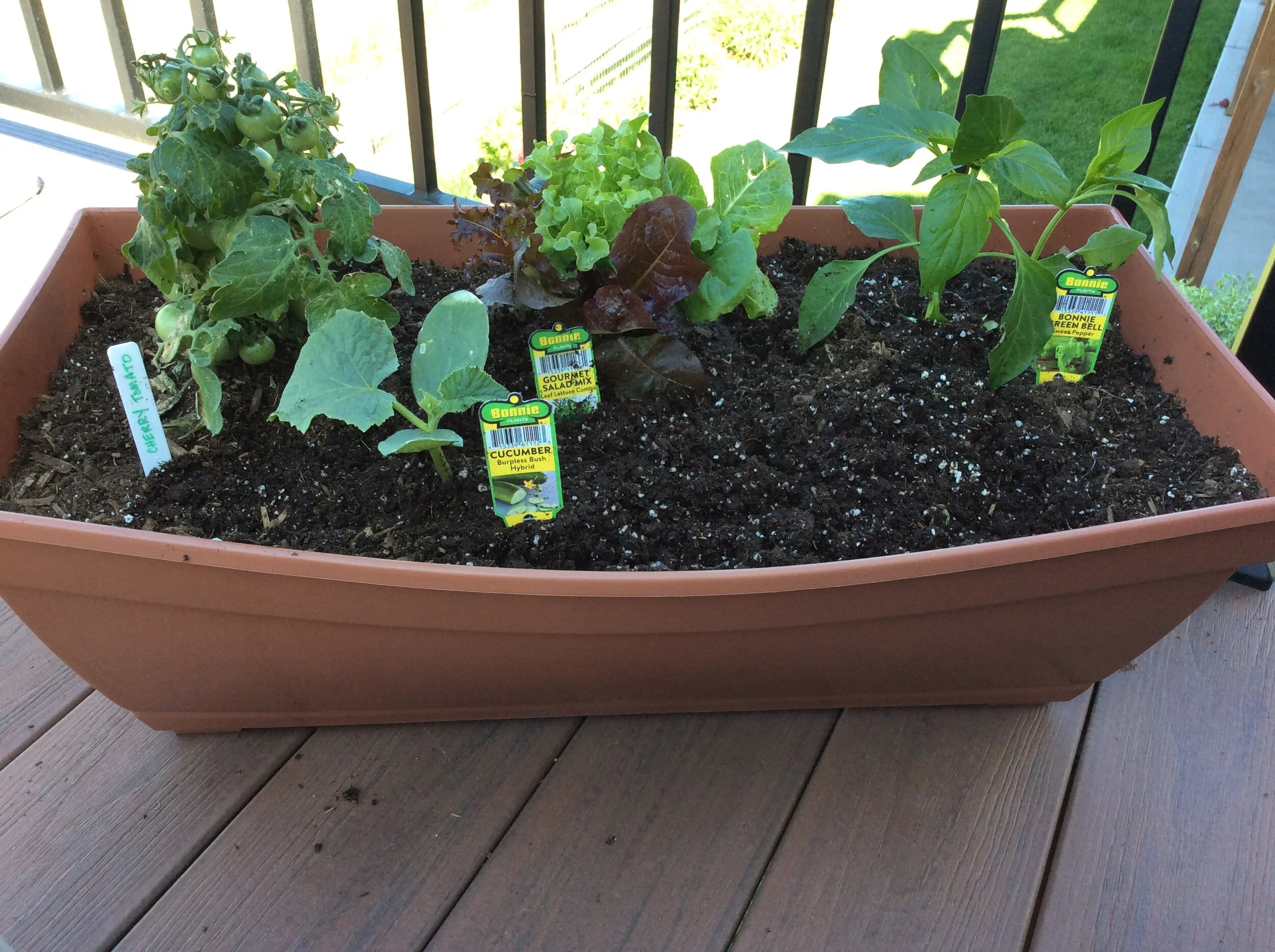
Bush Varieties: Space is often a premium in containers. Look for seeds labeled Bush, Patio, or Dwarf. A Bush Slicer Cucumber or a Patio Princess Tomato will produce a high yield without needing a massive trellis that might blow over in mountain winds.
Pollination in Pots
At high altitude, wind can be a major factor. If your containers are on a high-rise balcony or a windy deck, pollinators like bees may have trouble reaching them.
Tip: Planting flowers like Marigolds or Sweet Alyssum in the same pot as your vegetables can help attract the bees.
Container Fruit Gardening at High Altitude
Fruit can be grown in containers using dwarf varieties and proper winter protection.
Growing fruit in pots is the best way to bypass the ‘False Spring’ that often kills fruit blossoms in the ground.
Dwarf Fruit Trees
You can now find dwarf apples, peaches, and even cherries grafted onto miniature rootstocks. These trees rarely grow taller than 6 feet.
The High-Altitude Advantage: When the weather forecast predicts a late-spring freeze, you can wheel your potted fruit tree into the shed or garage overnight. This saves the blossoms and ensures a summer harvest.
Strawberries and Blueberries
Strawberries: Ever-bearing strawberries are perfect for hanging baskets or strawberry towers. They keep the fruit off the cold ground and away from high-altitude pests like chipmunks, rabbits and squirrels.
Blueberries: High-altitude soil is naturally alkaline, which blueberries hate. However, in a container, you can use a specific ‘Acid-Loving’ potting mix to give them the 4.5 to 5.5 pH they crave.
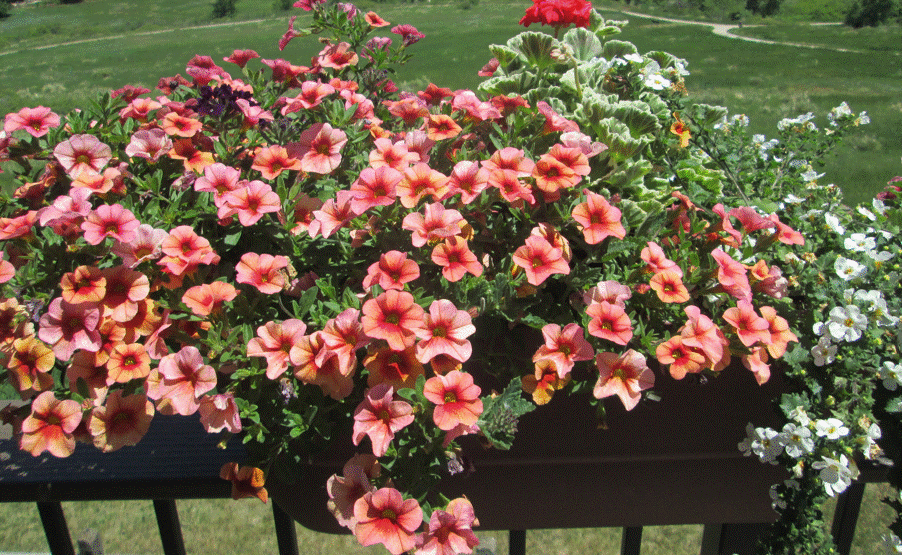
Container Flower Gardening at High Altitude
Flowers in containers add beauty and attract pollinators — even in small or harsh environments.
Flowers in pots allow you to create bursts of color in environments that are otherwise dominated by grey rock and evergreen trees.
The ‘Thriller, Filler, Spiller’ Method
For a high-altitude container that looks professional, use this three-part recipe:
Thriller (The Center): Use UV-resistant plants like Geraniums or Canna Lilies. They can handle the intense light without fading.
Filler (The Middle): Pansies and Violas are the kings of the mountain spring. They can actually survive a light dusting of snow and keep blooming.
Spiller (The Edge): Lobelia or Creeping Jenny will cascade over the sides, shading the pot itself and keeping the root zone cooler.
Dealing with Wind
Mountain gusts can turn a beautiful flower pot into a projectile.
Tip: Use heavy pots like concrete or stone at the base, or layer an inch of heavy river rocks in your lighter pots before adding soil to lower the center of gravity.
Choosing Containers, Soil & Watering Wisely
Container success depends on drainage, soil quality, and consistent watering.
This is the most technical part of container gardening. You cannot use garden soil (dirt from the ground) in a pot; it is too heavy and will compact, suffocating the roots.
1. The Right Mix
Use a high-quality Potting Mix (not garden soil). Potting mixes are made of peat moss, perlite, and vermiculite.
Altitude Tweak: Since the air is dry, look for a mix with ‘Moisture Control’ crystals, or add a handful of coconut coir to the mix. This helps the pot hold onto water for an extra few hours.
2. Watering: The Twice-a-Day Rule
During July and August at high altitude, a container may need water twice a day—once in the morning and once in the late afternoon.
The Finger Test: Stick your finger two inches into the soil. If it’s dry, water it until the water runs out of the drainage holes at the bottom.
Self-Watering Reservoirs: Pots with built-in water reservoirs at the base are a lifesaver for high-altitude gardeners who work during the day.
3. Frost and Winter Care
The "Rule of Two Zones" applies here. A plant in a container is two zones colder than a plant in the ground. If you live in Zone 5, your potted plants are effectively in Zone 3.
Winterizing: Most perennials will not survive the winter in a pot if left outside. To keep them alive, you must ‘heel them in’ (bury the pot in the ground for the winter) or move them into an unheated garage where they stay dormant but don't hit 0°F.
Master High-Altitude Containers Today!
Container gardening is the ultimate way to experiment with the mountain climate. Because you can control the soil, the water, and the location, you can grow things that your neighbors might find impossible.
Quick Start Tips:
Go Big: Use the largest pots you can find; more soil equals more temperature stability.
Glaze it: Choose glazed pots to lock in moisture.
Feed Regularly: Because you water pots so often, you "wash out" the nutrients. Use a liquid fertilizer every two weeks.
Group your Pots: Clustering pots together creates a "micro-island" of humidity.




Explore More High-Altitude Gardening Guides
Looking for deeper guidance? Start here:
Best Vegetables for Short Growing Seasons
Altitude Affects More Than Your Garden
From how bread rises to how your body hydrates, elevation changes everything.
Explore more resources below:
New to life at elevation?
GRAB OUR FREE RESOURCE GUIDE BELOW:
Living at High-Altitude Resource Guide | Baking, Gardening, and Thriving Above the Clouds