
High Altitude Baking Made Simple

Baking at high altitude can feel frustrating—collapsed cakes, dry cookies, sunken centers, and unpredictable results.
At elevations above 3,000 feet, lower air pressure changes how ingredients behave, liquids evaporate, and leavening works.
Simply Altitude helps you understand why baking changes at elevation—and exactly how to fix it—so you can bake with confidence, whether you’re at 3,000 or 9,000 feet.
Why Baking Is Different at Elevation
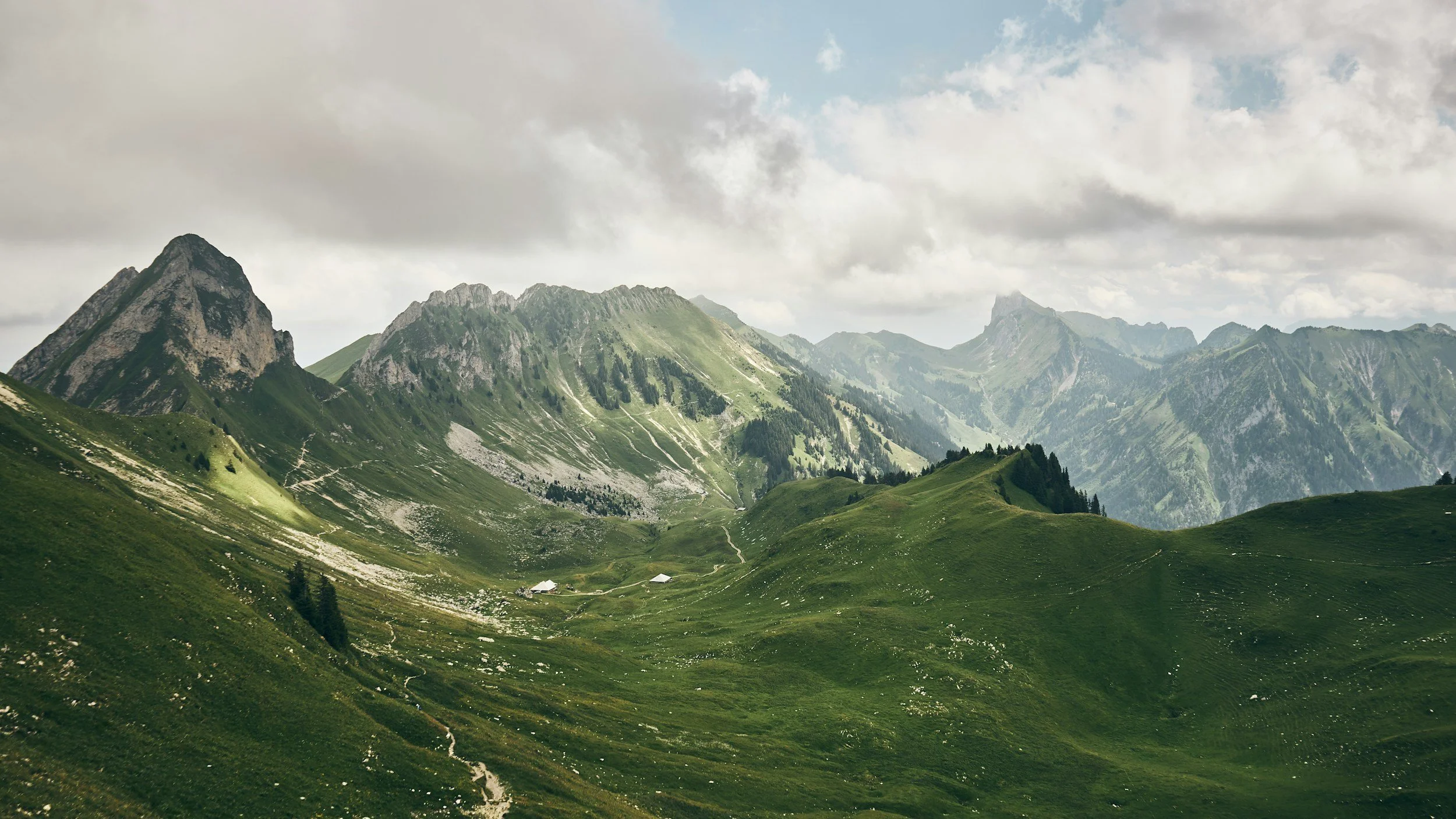
The "Triple Threat" of Mountain Baking
Baking is a delicate chemical reaction. At high altitudes, three environmental factors work against your batter and dough:
Lower Air Pressure: Leavening gases (air, steam, CO2) expand more forcefully. Without enough structure, the bubbles pop, causing cakes to collapse.
Increased Evaporation: Water evaporates faster, making your sugar more concentrated and your final product prone to being tough or sticky.
Lower Boiling Point: The structure of your cake (set by eggs and flour) needs to "set" before the gases escape. Because water boils sooner, the internal temperature doesn't always reach the setting point in time.
The ‘Big Four’ Adjustments
Most recipes can be saved by applying these four tweaks. Start small and adjust one variable at a time.
Reduce Leavening: Cut baking powder or baking soda by 15% to 25%. This prevents the cake from rising too fast.
Learn how to adjust your leavening agents in our Baking Powder vs. Baking Soda guide to avoid the common 'over-rise and crash' cycle.
Increase Liquid: Add 1–2 tablespoons of extra liquid (milk, water, or an extra egg) for every cup of flour to combat dryness.
Tired of bakes that crumble away? Check out our tips for fixing Dry or Dense Cakes by increasing hydration and decreasing sugar.
Lower the Sugar: Reduce sugar by 1 tablespoon per cup. Concentrated sugar weakens the cell structure of the cake.
Raise the Heat: Increase your oven temperature by 15°F to 25°F. This helps the structure "set" before the gases expand too far.
Altitude Adjuster
Enter sea-level measurements below:

Essential Adjustments (starting at 3,500 - 5,000+ ft)
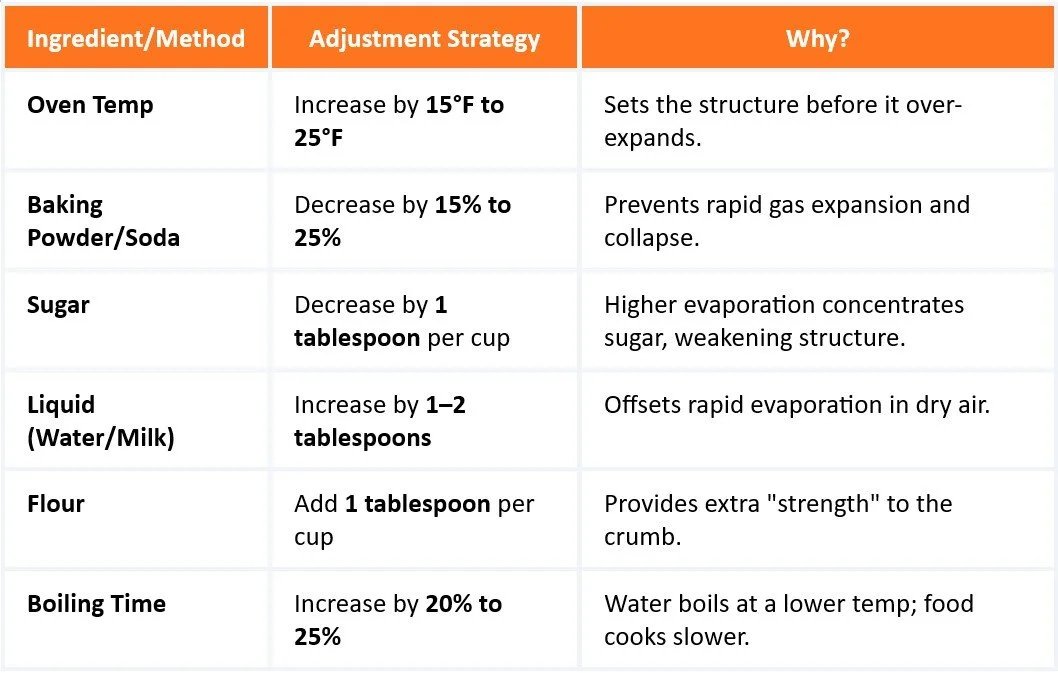
Expert Secrets for the Simply Altitude Baker
The "Flour Power" Trick: Use Bread Flour instead of All-Purpose. The higher protein content provides a stronger "web" to hold those expanding gases.
Don't Fear the Extra Egg: Sometimes the easiest way to add both moisture and structure (protein) is simply adding one extra egg to the mix.
The Parchment Rule: Always use parchment paper. High-altitude bakes are notorious for sticking to even the best non-stick pans.
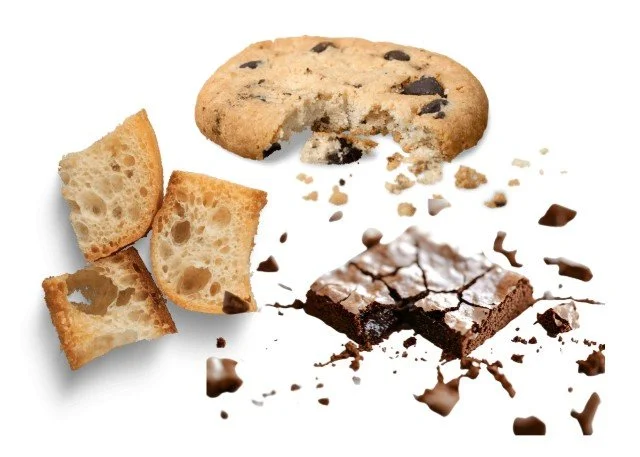
Common Baking "Fails" and Fixes
My cake fell in the center: Next time, reduce leavening and increase the oven temp.
My cookies are thin and crispy: Increase your flour by 1–2 tablespoons or reduce your sugar.
My bread is dry and crumbly: You likely over-proofed it. Shorten your rise time or add more water to the dough.
High Altitude Recipes by Category
THE COOKIE COLLECTION
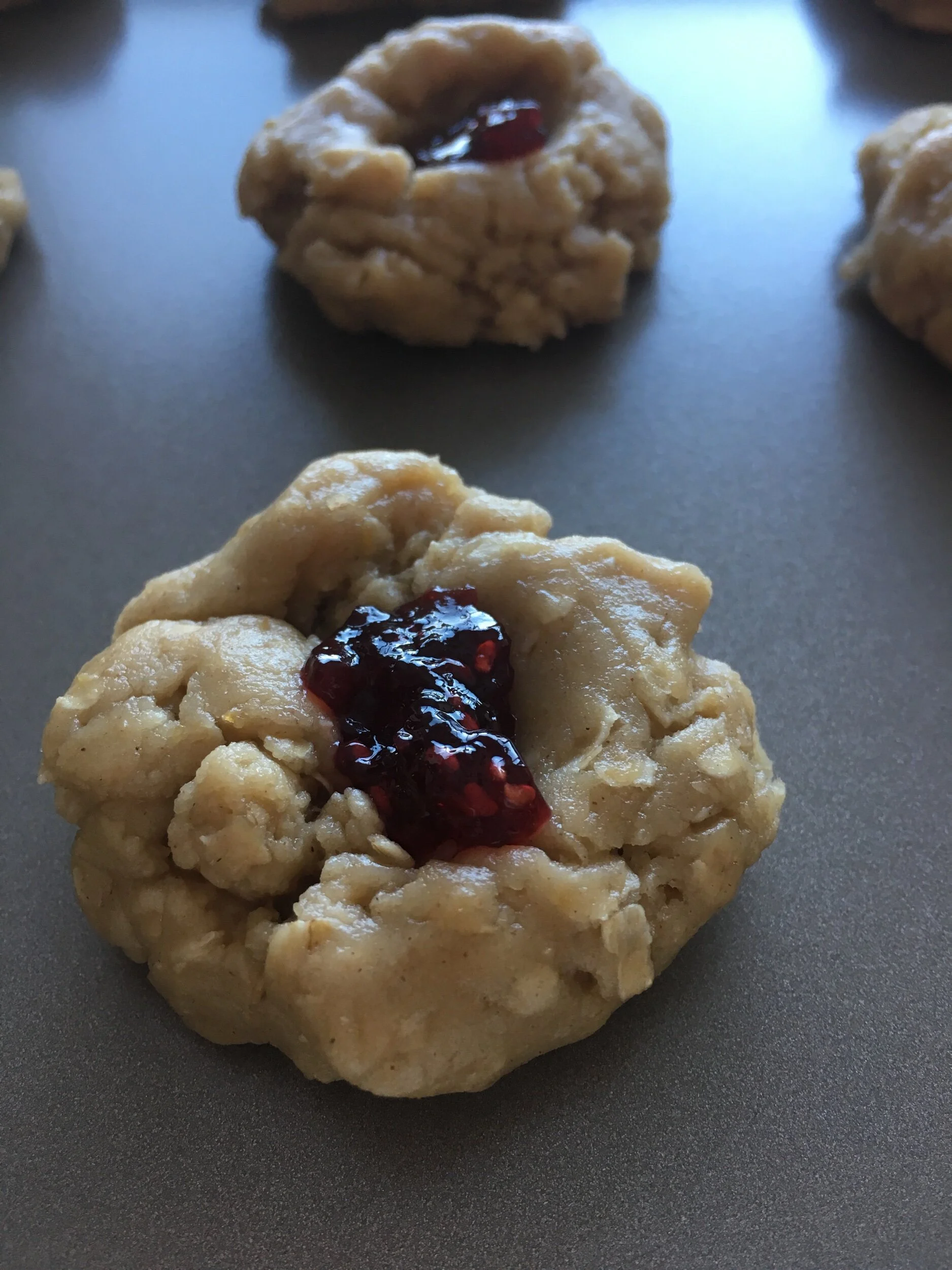
Cookies spread more at altitude.
Tip: Chill your dough for at least 2 hours before baking.
Tip: Slightly reduce the amount of butter or sugar to prevent "pancaking."


THE CAKE SHOP
These are sensitive to altitude.
Tip: Don't over-beat your eggs. Too much air at the start will lead to a collapse in the oven.
Tip: Grease your pans thoroughly; high-altitude cakes tend to stick more due to sugar concentration.


THE BREAD BASKET
Yeast is "hyperactive" at altitude.
Tip: Watch the dough, not the clock. A 60-minute rise might only take 30 minutes.
Tip: Use the "finger-poke test" to check readiness rather than relying on time.
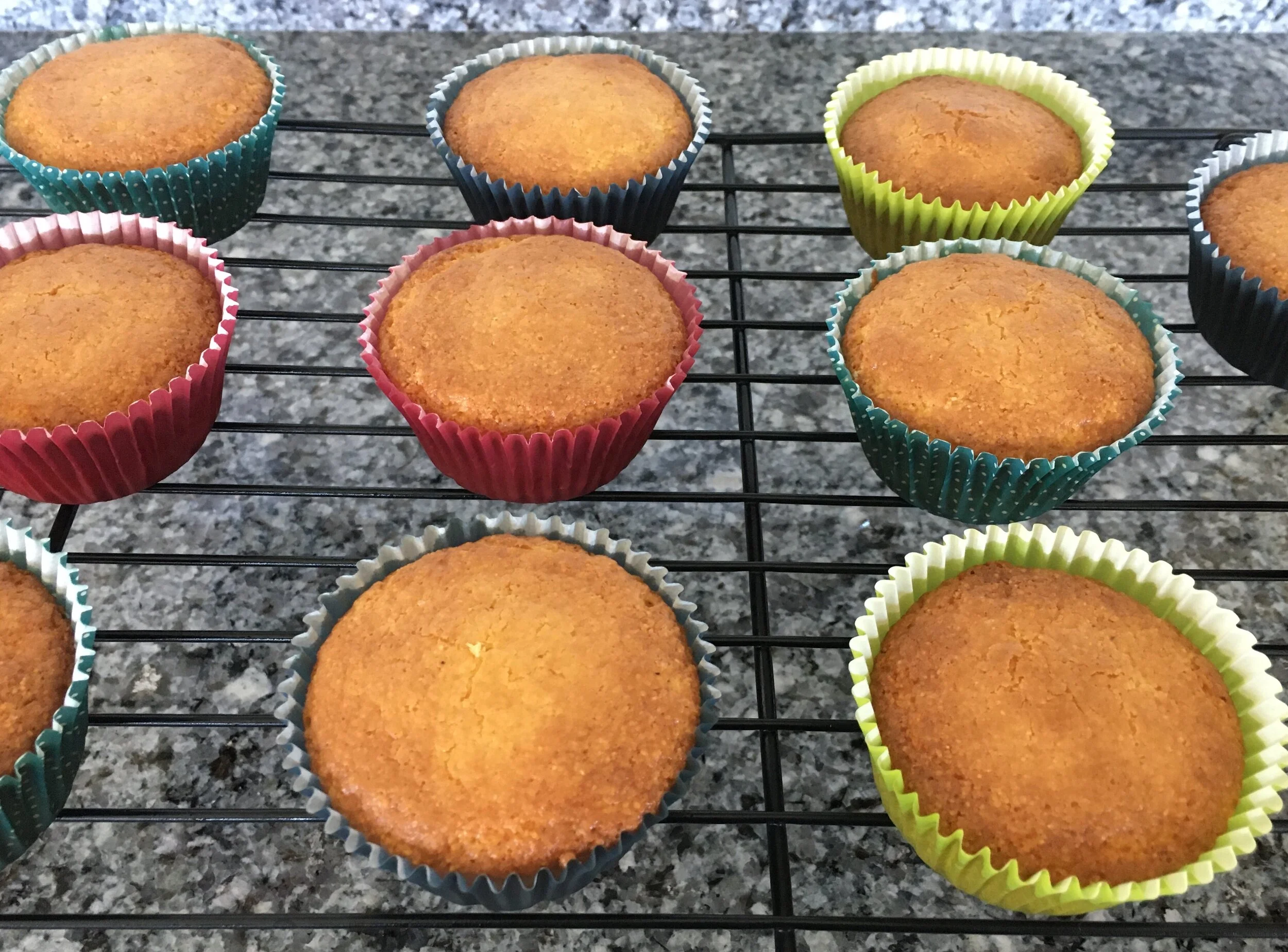

Explore More High-Altitude Baking Tips
Looking for more guidance? Check these out:
Altitude Affects More Than Your Baking
From how bread rises to how your body hydrates, elevation changes everything.
Explore more resources below:
New to life at elevation?
GRAB OUR FREE RESOURCE GUIDE BELOW:
Living at High-Altitude Resource Guide | Baking, Gardening, and Thriving Above the Clouds
Honey wheat bread collapsing at high altitude? This tender honey wheat bread bakes up soft, sturdy, and perfectly risen. Tested at 3,000+ feet with exact adjustments that work.