Why Did My Cake Come Out Dry or Dense?
The Complete High-Altitude Baking Troubleshooting Guide
Few baking disappointments are as frustrating as pulling a cake out of the oven that looks perfect—only to slice into it and discover a dry, crumbly, or heavy texture. At high altitude, this problem is one of the most searched baking questions for a reason. Cakes that turn out dry or dense are often the result of small but critical changes in moisture, structure, and timing that behave very differently above 5,000 feet.
If you bake at altitude and regularly ask yourself “Why is my cake dry?” or “Why is my cake so dense?”—this guide is for you.
Below, we’ll break down exactly why cakes fail at high altitude, how to diagnose whether dryness or density is the problem, and what specific adjustments actually work so your cakes come out soft, moist, and tender every time.
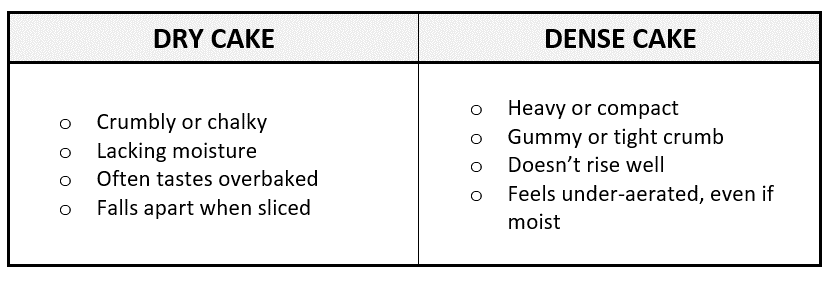
Dry vs. Dense Cakes: What’s the Difference?
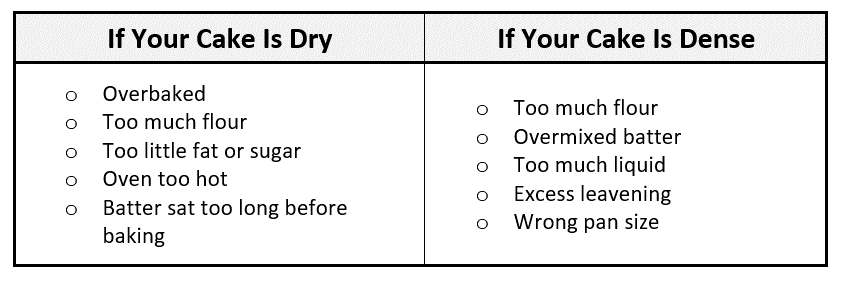
Before fixing the issue, it’s important to identify what kind of problem you’re dealing with. You can determine this by taking a look at your final baked good in comparison to the following:
Why High Altitude Changes Cake Texture
At elevations above 3,000+ feet, baking becomes less predictable because of 3 main factors:
Lower air pressure
Faster evaporation
Earlier setting of structure
These conditions affect how cakes rise, retain moisture, and bake through. Recipes developed at sea level don’t account for these changes, which is why following them exactly often leads to disappointing results in elevated kitchens.
DRY CAKES

Why Does Overbaking Happens More Often at Altitude?
At high altitude, there are several factors at play:
Water boils at a lower temperature
Moisture evaporates faster
Cakes bake more quickly—even at the same oven temperature
That means your cake may be fully baked several minutes earlier than the recipe suggests.
Signs Your Cake Was Overbaked (Especially at High Altitude)
Overbaking is the #1 reason cakes turn out dry at high altitude. Because moisture evaporates faster and structure sets sooner in thinner air, a cake can cross the line from perfectly baked to dry in just a few minutes. These signs often appear subtle at first, but together they clearly point to overbaking.
Dark or Hard Edges
If the edges of your cake look noticeably darker than the center—or feel firm, chewy, or crusty when touched—this is a strong indicator that the outer portions baked too quickly. At high altitude, heat transfers faster through metal pans, causing the edges to dry out before the center finishes baking. These overcooked edges often taste tough or bitter and crumble instead of slicing cleanly.
Pulled Away From the Pan
While a slight pull from the pan is normal, a cake that dramatically shrinks away from the sides is usually overbaked. As moisture evaporates, the cake contracts, leaving visible gaps between the cake and the pan. This is especially common at altitude because water boils at a lower temperature, accelerating moisture loss during baking.
Cracks on Top
Cracks on the surface of a cake can be a sign that the oven temperature was too high or the cake baked too long. At high altitude, batter rises more quickly, and if the structure sets too fast, pressure forces the top to split open. Cracks often coincide with a dry interior and overdeveloped crumb.
Dry Crumbs on a Toothpick Instead of Moist Crumbs
One of the most common mistakes high-altitude bakers make is waiting for a completely clean toothpick. At altitude, this usually means the cake has already gone too far. Dry crumbs or powdery residue indicate moisture has fully evaporated, leading to a dry, crumbly texture. A properly baked cake should leave a few soft, moist crumbs clinging to the tester.
How to Fix Overbaking at High Altitude
Preventing overbaking requires a shift in timing, testing, and temperature—small changes that make a big difference at elevation.
Start Checking for Doneness 5–10 Minutes Early

High-altitude cakes bake faster than their sea-level counterparts. Always begin checking for doneness earlier than the recipe suggests, especially for cakes baked in metal pans. Even five extra minutes can be the difference between moist and dry.
Use the Moist Crumb Test (Not a Clean Toothpick)
Instead of looking for a clean tester, insert a toothpick or skewer into the center of the cake and look for soft, moist crumbs. If the tester comes out completely dry, the cake has likely already lost too much moisture. Remove the cake as soon as crumbs appear tender and set.
Use Lighter-Colored Metal Pans
Dark pans absorb and retain heat more aggressively, increasing the risk of overbaking—especially at the edges. Light-colored aluminum pans reflect heat more evenly, promoting uniform baking and reducing dry, hard crusts. Avoid glass pans unless the recipe is specifically tested for them.

When in doubt, underbake slightly rather than overbake. Cakes continue to cook from residual heat after removal from the oven, and a slightly moist center will set as it cools—while an overbaked cake can’t regain lost moisture.
Ingredient Imbalances That Make Dry Cakes Worse at High Altitude
While overbaking is the primary cause of dry cakes at high altitude, ingredient imbalances often determine how quickly a cake dries out and how severe the dryness becomes. At elevation, cakes already lose moisture faster due to lower air pressure and quicker evaporation. When ingredient ratios are even slightly off, the cake has less built-in protection against overbaking, meaning it crosses the dry line much sooner.
In other words, overbaking may be the final problem—but ingredient imbalances often set the stage for it.
TOO MUCH FLOUR
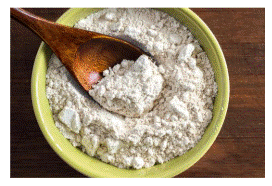
At high altitude, flour absorbs liquid more aggressively and thickens batter faster than it does at sea level. Even a small excess of flour can reduce available moisture, making the cake more prone to drying out in the oven.
When a flour-heavy batter bakes, it sets earlier and traps less steam, accelerating moisture loss—especially if the cake stays in the oven even slightly too long.
This is why cakes with too much flour often feel dry even when they aren’t visibly overbaked. The structure forms too quickly, leaving little margin for error.
How It Contributes to Overbaking
Batter sets faster
Moisture evaporates more quickly
Cake appears “done” before it’s actually tender
Extra minutes in the oven cause rapid drying
Try This
Reduce flour by 1–2 tablespoons per cup
Weigh flour for accuracy instead of scooping
Spoon flour into measuring cups and level gently
Avoid packing flour or tapping the cup
TOO LITTLE FAT
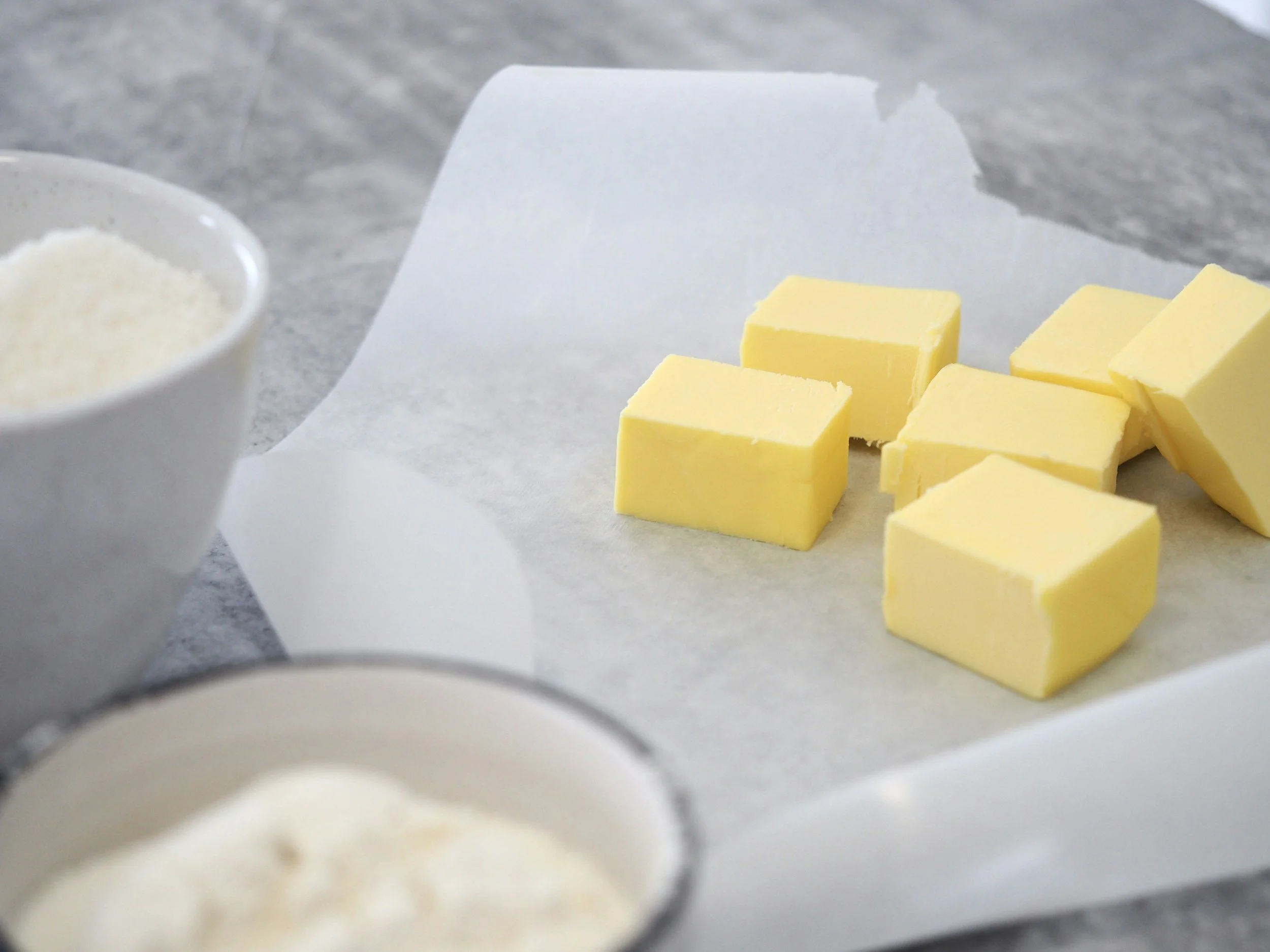
Fat plays a critical role in keeping cakes moist by coating flour proteins and limiting gluten development. At high altitude, where structure sets faster, insufficient fat allows gluten to tighten quickly, producing a cake that is both dry and firm.
Fat also slows moisture evaporation, meaning low-fat cakes have far less protection once baking begins.
Without enough fat, even perfectly timed cakes can taste dry—and if they’re overbaked even slightly, the dryness becomes unavoidable.
How It Contributes to Overbaking
Less moisture retention during baking
Faster crumb firming
Reduced tolerance for extra oven time
Dry texture even when bake time seems correct
Try This
Increase butter or oil by 1–2 tablespoons
Use oil instead of butter when possible for better moisture retention
Avoid low-fat or fat-free substitutions at altitude
Choose full-fat dairy (milk, yogurt, sour cream)
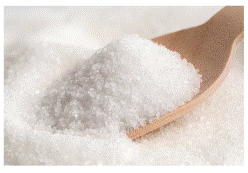
TOO LITTLE SUGAR
Sugar is one of the most misunderstood cake ingredients. Beyond sweetness, sugar is a moisture manager.
It attracts and holds water, slows starch gelatinization, and delays crumb setting. At high altitude, where cakes already bake faster, reducing sugar removes one of the cake’s strongest defenses against drying out.
When sugar is reduced, cakes set earlier, lose moisture more quickly, and have a much smaller window between ‘done’ and ‘overbaked’.
How It Contributes to Overbaking
Structure sets too quickly
Moisture evaporates faster
Cake appears baked sooner than it should
Overbaking happens before visual cues catch up
Try This
Avoid reducing sugar unless absolutely necessary
If reducing sweetness, compensate with extra fat or liquid
Avoid sugar substitutes—they do not retain moisture the same way
Use honey or brown sugar (when recipe-appropriate) for added moisture retention
Why These Imbalances Matter More at High Altitude
At sea level, ingredient imbalances might result in a slightly dry cake. At high altitude, the same imbalances magnify the effects of overbaking, shrinking the margin for error from minutes to seconds.
When flour is too high, fat is too low, or sugar is reduced:
Cakes dry out faster
Doneness cues become misleading
Overbaking happens before you realize it
That’s why high-altitude baking success depends on both proper timing and proper ratios. Overbaking may be the visible cause—but ingredient balance determines whether your cake has the moisture reserves to survive it.
High-Altitude Baking Takeaway to Prevent Dry Cakes

Fix ingredient ratios first
Then shorten bake time
And always test early
A properly balanced cake can tolerate minor timing errors. A poorly balanced one cannot—especially at elevation.
DENSE CAKES
Why Cakes Turn Dense at High Altitude
Dense cakes are one of the most misunderstood high-altitude baking problems. Many bakers assume density means the cake is underbaked, when in reality the structure often sets too early, too tightly, or too unevenly. At altitude, lower air pressure causes batters to rise faster, moisture to evaporate sooner, and crumb structure to form more quickly. When ingredients or mixing methods aren’t adjusted, the result is a cake that looks baked—but feels heavy, tight, or gummy.
Below are the most common causes of dense cakes at high altitude and why they matter more above 5,000 feet.
Too Much Flour (Again)
Excess flour is the single most common cause of dense, heavy cakes at high altitude. Flour provides structure, but when there’s too much of it, the batter becomes thick and rigid before it has time to rise properly. At elevation, where structure sets faster, extra flour tightens the crumb early and prevents the cake from expanding.
Dense cakes caused by excess flour often:
Feel heavy even when fully baked
Have a tight or compact crumb
Lack lift despite proper bake time
Because flour absorbs moisture more aggressively at altitude, even a small measuring error can dramatically affect texture.
Why It’s Worse at High Altitude
Batter thickens faster
Structure forms before gases fully expand
Cake rises less and sets more tightly
Try This
Measure flour carefully—accuracy matters more at altitude
Reduce flour by 1–2 tablespoons per cup
Weigh flour instead of scooping
Sift flour before measuring to incorporate air and lighten texture
Avoid packing or tapping measuring cups
Too Much Liquid
It sounds counterintuitive, but too much liquid can also lead to dense cakes. At high altitude, cakes need time for structure to set before excess moisture evaporates. When there’s too much liquid, the batter becomes heavy and unstable. The cake may rise initially, then collapse under its own weight—leaving a dense or gummy interior.
This often happens when bakers try to fix dryness by adding extra milk or water without adjusting other ingredients.
Why It’s Worse at High Altitude
Structure sets before excess liquid can evaporate evenly
Rising gases escape more quickly
Cake collapses before crumb stabilizes
Try This
Reduce liquid by 1–2 tablespoons per cup
Avoid adding extra liquid unless you’ve reduced flour
Balance moisture increases with slight flour reductions
Use thick dairy (sour cream, yogurt) instead of thin liquids when moisture is needed
Overmixing the Batter
Overmixing is one of the fastest ways to create dense cakes—especially at high altitude. When flour is mixed too aggressively, gluten develops, tightening the crumb. At elevation, where structure sets sooner, overmixed batter has no opportunity to relax during baking.
Dense cakes caused by overmixing often:
Feel rubbery or chewy
Have a tight, uniform crumb
Lack tenderness even when moist
This problem is especially common in stand mixers and with recipes that require creaming butter and sugar.
Why It’s Worse at High Altitude
Gluten develops faster
Structure sets earlier
Overdeveloped crumb has no recovery time
Try This
Mix just until ingredients are combined
Stop mixing as soon as flour disappears
Avoid beating or whipping after adding flour
Use a spatula for final mixing instead of a mixer
Mix on the lowest speed possible when combining dry ingredients
Too Much Leavening (A Hidden High-Altitude Problem)
This is one of the most surprising causes of dense cakes at altitude. While it may seem logical to add more leavening to help a cake rise, the opposite is true. At high altitude, lower air pressure already causes cakes to rise faster. Excess baking powder or baking soda causes the cake to rise too quickly, then collapse before the structure can support it. See our blog post on Baking Powder vs Baking Soda for more information on these ingredients.
Collapsed cakes often bake up dense, gummy, or sunken in the center—sometimes with dry edges and a heavy interior.
Why It’s Worse at High Altitude
Gases expand more rapidly
Structure can’t set fast enough
Cake rises, collapses, and densifies
Try This
Reduce leavening by 1/4 teaspoon per teaspoon used
Never increase leavening at altitude
Be cautious with recipes that already contain large amounts of baking powder
Use only one leavening agent unless the recipe specifically requires both
How Dense Cakes Differ From Underbaked Cakes
Dense cakes are often mistaken for underbaked ones, but the solutions are different.
Dense cake signs:
Heavy texture throughout
Tight or rubbery crumb
Fully baked but lacks lightness
Underbaked cake signs:
Wet or gooey center
Raw batter taste
Collapses after cooling
Dense cakes require ratio and mixing adjustments, not longer baking times.
High-Altitude Baker’s Takeaway
Dense cakes at altitude aren’t caused by a lack of baking time—they’re caused by structure forming too quickly or too tightly. Once you reduce flour slightly, moderate liquid, mix gently, and scale back leavening, cakes will rise more evenly and bake up lighter and softer.
Eggs: The Structural Balancing Act (Especially at High Altitude)
Eggs play a critical and often underestimated role in cake texture. At high altitude—where structure sets faster and moisture evaporates more quickly—eggs act as the balancing force between tenderness and strength. Getting the egg ratio right helps cakes rise evenly, hold moisture, and set without becoming dense or dry.
Eggs contribute 3 key functions in cake batter:
1. Structure
Egg proteins coagulate as they bake, helping the cake hold its shape. At altitude, where cakes rise rapidly due to lower air pressure, eggs help stabilize that rise so the structure doesn’t collapse. However, too much structure too soon can create a tight, heavy crumb.
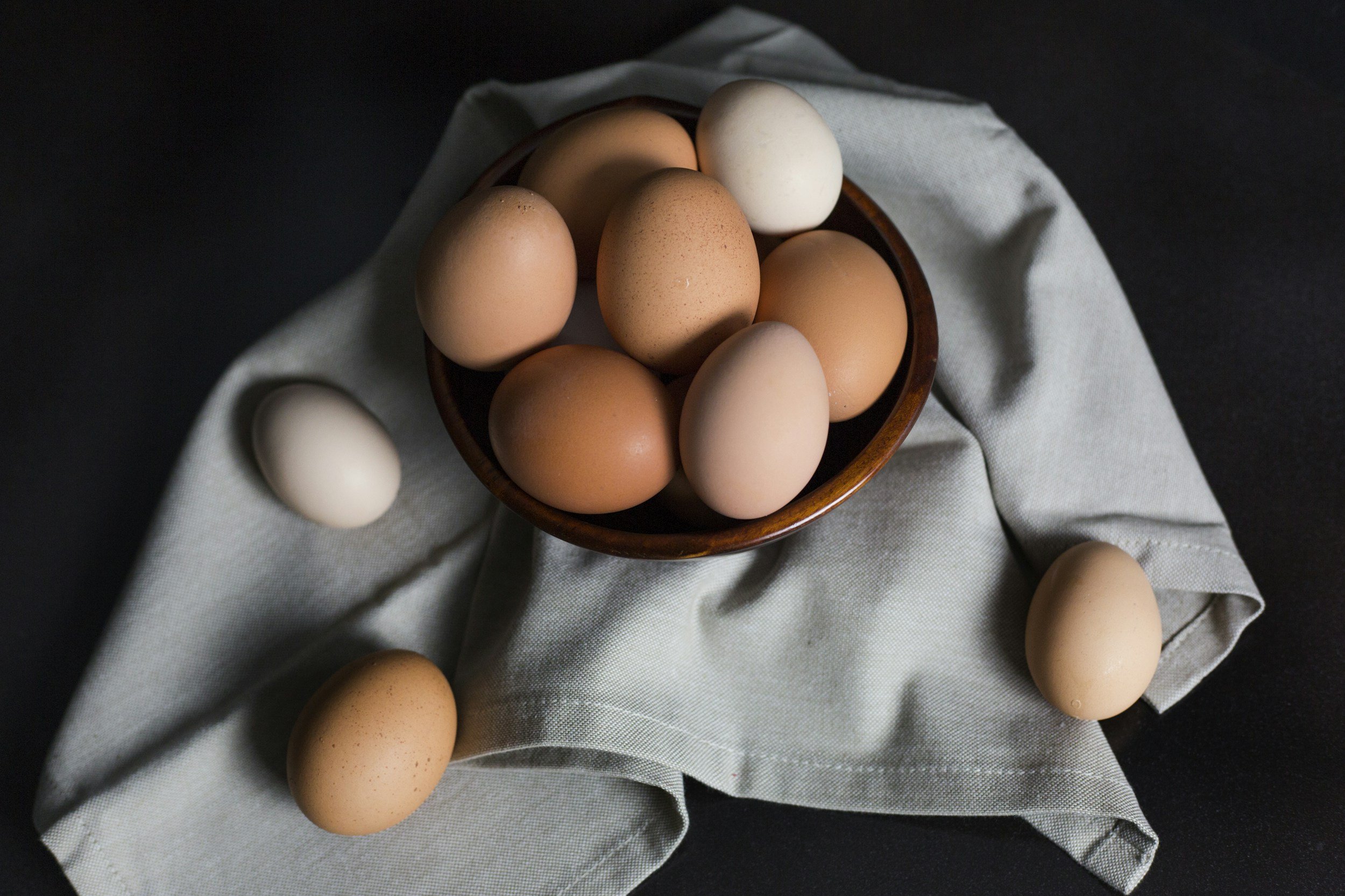
2. Moisture
Eggs contain water as well as fat (in the yolk), both of which contribute moisture. This is especially important at high altitude, where moisture loss happens faster. Eggs help buffer the cake against overbaking—but only when they’re in proper balance with flour and fat.
3. Emulsification
Egg yolks act as natural emulsifiers, allowing fat and liquid to blend smoothly. This creates a uniform batter that traps air more effectively and bakes more evenly. Poor emulsification can lead to uneven texture, dense spots, or crumbly slices.
When Egg Ratios Go Wrong
Because eggs affect both structure and moisture, even small changes can have big effects at altitude.
Too Many Eggs
Adding extra eggs (or using larger-than-intended eggs) increases protein content, which strengthens the structure too much. At high altitude, this leads to cakes that set early and resist expansion.
Results:
Dense or rubbery texture
Tight, elastic crumb
Cake that feels heavy despite proper baking time
This is especially common when bakers add eggs to “fix” dryness—an adjustment that often makes the problem worse.
Too Few Eggs
Reducing eggs weakens the cake’s structure and reduces emulsification. Without enough eggs to support the rise, moisture escapes more easily during baking, leaving the cake fragile and crumbly.
Results:
Dry or sandy texture
Cake falls apart when sliced
Poor rise or uneven crumb
This often happens when eggs are reduced to cut richness or when substitutions aren’t properly balanced.
How Eggs Interact With Other Ingredients at Altitude
Eggs don’t work in isolation. Their impact depends on how they’re balanced with flour, sugar, and fat.
More flour + same eggs → tighter, drier crumb
Less flour + same eggs → stronger structure without heaviness
Less sugar + same eggs → structure sets too fast
Low fat + more eggs → rubbery texture
That’s why egg adjustments should almost always be secondary, not the first change you make.
Try This: High-Altitude Egg Best Practices
Stick to the recipe unless you are intentionally adjusting flour or sugar
If you reduce flour, keep egg quantity consistent to maintain structure
Avoid adding extra eggs to fix dryness—adjust fat or bake time instead
Use room-temperature eggs for better incorporation and emulsification
Use large eggs (the standard for most recipes) unless specified otherwise
High-Altitude Baker’s Takeaway
Eggs are the structural backbone of a cake. At high altitude, too many make cakes dense and rubbery, while too few leave them dry and crumbly. When in doubt, leave the eggs alone and fix timing or ratios first.
Oven Temperature Matters More Than You Think
Why Oven Thermometers Are Essential
High-altitude ovens often run hot, and even a 10–15°F difference can mean the difference between moist and dry.
For best results, make sure you:
Use an oven thermometer
Lower temperature slightly for longer bake time
Avoid convection unless recipe-tested
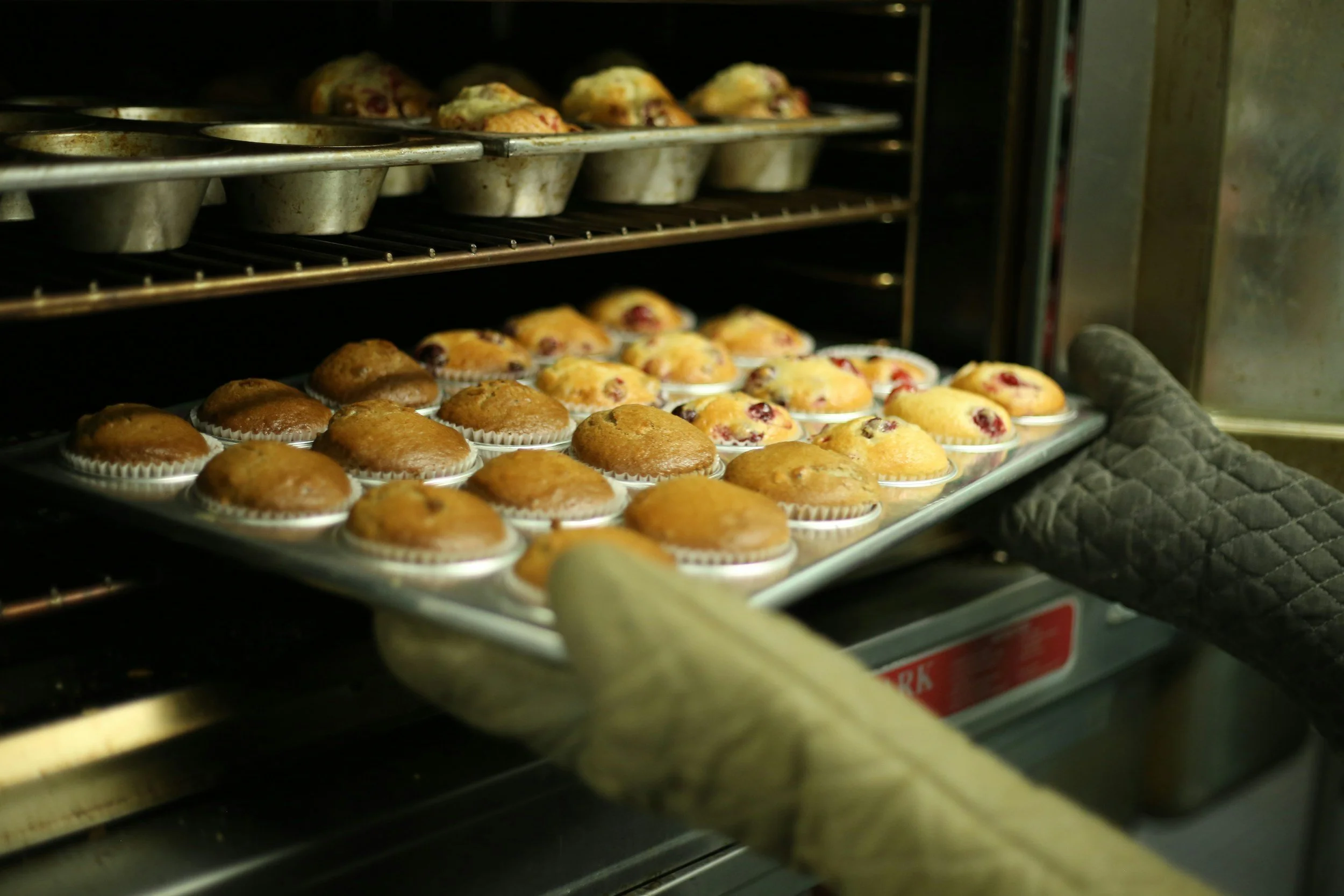
Pan Choice Can Make or Break Your Cakes
Pan Material
Dark pans bake hotter → dry edges
Glass retains heat → overbaking risk
Light aluminum = best for altitude baking
Pan Size
Smaller pans = thicker batter = uneven baking
Overfilled pans = dense center
Try This
Fill pans no more than 2/3 full
Use recommended pan sizes
Adjust bake time when changing pan type
Environmental Factors Many Bakers Overlook
Low Humidity
Dry mountain air pulls moisture from batter and baked cakes.
Try This
Add a tablespoon of sour cream, yogurt, or milk
Store cakes wrapped tightly
Avoid leaving batter sitting before baking
Altitude + Old Ingredients
Expired baking powder or stale flour is more noticeable at altitude.
Try This
Replace leavening every 6–12 months
Store flour airtight
Test baking powder regularly
Quick Diagnostic Chart
High-Altitude Cake Fixes You Can Apply Immediately
If you want a simple starting point for most cake recipes at 5,000+ feet, try this:
Reduce flour by 1–2 tablespoons per cup
Reduce baking powder by ¼ teaspoon
Check your internal oven temp for accuracy
Check for doneness early
Add 1–2 tablespoons of extra fat or liquid
These small changes solve most dry and dense cake problems without rewriting the entire recipe.
High-Altitude Cakes Can Be Moist and Light
Dry or dense cakes are not a failure—they’re feedback. At high altitude, baking is less about following recipes perfectly and more about understanding why adjustments matter. Once you learn how air pressure, moisture, and structure interact, you’ll be able to troubleshoot almost any cake recipe with confidence.
If your cakes have been dry or dense in the past, chances are nothing is wrong with you as a baker—you just needed altitude-specific fixes.
With the right adjustments, soft, tender, bakery-quality cakes are absolutely possible at elevation.
Explore More High-Altitude Baking
If you enjoyed this recipe, head over to our High Altitude Baking Made Simple page. It’s our combined resource for mastering the science of elevated baking, featuring helpful adjustment charts and troubleshooting tips for different altitudes.
Looking for more mountain-tested favorites?
Moist and Rich: High Altitude Chocolate Cake
Soft & Fluffy: High Altitude Yellow Cake
Altitude Affects More Than Your Kitchen
From how bread rises to how your body hydrates, living high up requires a different approach. Whether you’re looking to troubleshoot a fallen cake or want to optimize your wellness routine, we’ve got the high-altitude answers you need.
At Simply Altitude, we’re here to help you master the peaks.
Explore more resources below:
High Altitude Baking | Perfect your recipes with elevation-adjusted tips.
High Altitude Cooking | Master stovetop and oven techniques for mountain meals.
Living Well at High Altitude | Stay hydrated and healthy while enjoying the view.
New to life at elevation?
GRAB OUR FREE RESOURCE GUIDE BELOW
Living at High-Altitude Resource Guide | Baking, Gardening, and Thriving Above the Clouds