Living Well At High Altitude
Living at high altitude is a breathtaking experience—literally and figuratively. While the mountain views and crisp air are unmatched, the physiological demands on your body are real. At higher elevations, the air is thinner, the sun is stronger, and the humidity is significantly lower.
Simply Altitude is your comprehensive resource for mastering the "Peak Lifestyle," covering everything from skincare science to balanced living.
Hosting out of town guests from sea level? Get our Ultimate High-Altitude Hosting Guide with tips for an elevated experience!
Skincare: Protecting Your Barrier in Thin Air
At high altitude, the atmosphere provides less protection against environmental stressors. Two main factors dominate: increased UV intensity and water loss.
The UV Factor

For every 1,000 feet of elevation gain, UV radiation increases by roughly 4–5%. This means your skin receives significantly more damage in the mountains than at sea level, even on cloudy days.
Broad-Spectrum SPF 50+: Make this non-negotiable. Look for physical blockers like Zinc Oxide or Titanium Dioxide.
Don't Forget the ‘Hidden’ Spots: The underside of your nose and chin can burn from sun reflecting off snow or bright granite.
Reapplication: Sweat and wind-chill can wear down your sunblock faster than you think. Reapply every two hours.
Combatting Mountain Dryness
The low humidity at altitude literally pulls moisture out of your skin.
The Moisture Sandwich: Apply your products to damp skin. Start with a humectant (hyaluronic acid), followed by a thick moisturizer (ceramides), and seal it with an occlusive (face oil or balm).
Lip & Eye Care: These areas have the thinnest skin and no oil glands. Use a dedicated lanolin-based lip balm and a rich eye cream to prevent cracked skin.
Hydration: More Than Just Drinking Water
At high altitude, you lose water twice as fast as you do at sea level through a process called insensible water loss (breathing out moist air into a dry environment).
The Electrolyte Balance
Drinking plain water isn't always enough. When you increase your water intake significantly, you risk flushing out essential minerals.
Supplement with Salts: Ensure you are getting enough Sodium, Potassium, and Magnesium to maintain cellular hydration.
The 2:1 Rule: For every cup of coffee or alcoholic beverage, drink two cups of water to offset the diuretic effects.
Signs You May Be Dehydrated
Don't wait until you're thirsty; that's the first sign of trouble.
Here are some signs to watch for:
Persistent ‘altitude headaches’.
Fatigue or sudden irritability.
Dark-colored urine.
Health & Wellness: Adapting to the Altitude
Your body undergoes a metabolic shift when living above 5,000 feet. Your heart beats faster, and your body produces more red blood cells to carry oxygen.
Increased Red Blood Cell Production
The body stimulates the production of erythropoietin (EPO), a hormone that promotes red blood cell formation in the bone marrow.
This process can lead to an increase in red blood cell count, enhancing oxygen transport.
Higher Hemoglobin Concentration
Hemoglobin levels often rise to improve oxygen-carrying capacity.
This adaptation helps maintain adequate oxygen delivery to tissues despite reduced atmospheric oxygen.
Changes in Blood Viscosity
Increased red blood cell mass can lead to higher blood viscosity, which may affect circulation.
The body may adjust by increasing plasma volume to balance viscosity.
Altered Oxygen Affinity
Hemoglobin's affinity for oxygen may change, allowing for more efficient oxygen release to tissues.
This adaptation helps ensure that oxygen is available where it is most needed.
These changes typically occur over days to weeks as the body acclimatizes to high altitude. Individual responses can vary based on factors such as genetics, fitness level, and altitude exposure duration.
Managing Altitude Sickness (AMS)
Even long-term residents can feel the effects when returning from a trip to the coast.
Listen to your body: If you feel nauseous or dizzy, descend or rest immediately.
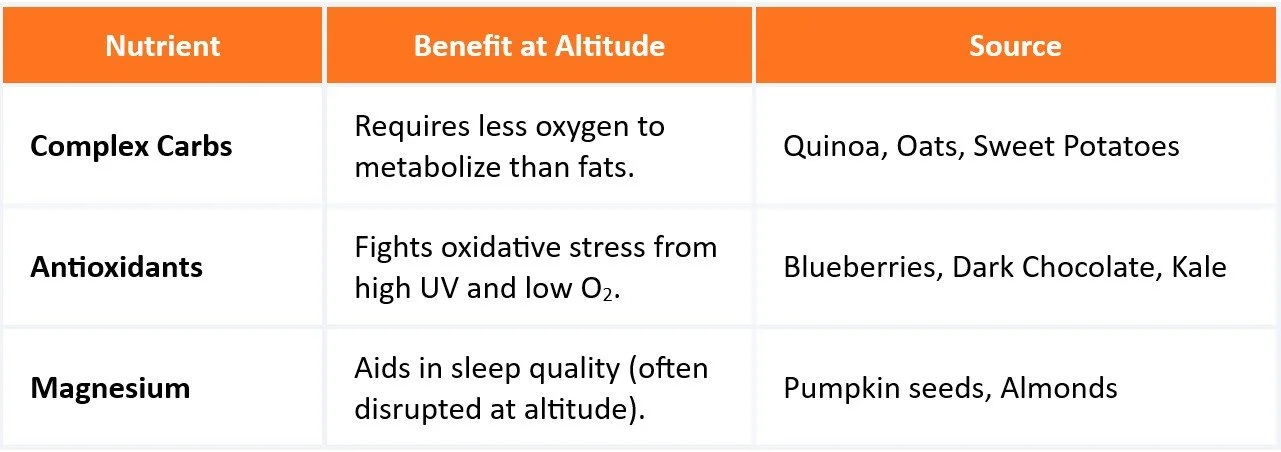
The Power of Iron: Since your body is working overtime to create red blood cells, ensure your diet includes iron-rich foods (spinach, lentils, lean meats) or supplements.
The High-Altitude Home Environment
Thriving at altitude isn't just about what you put in or on your body; it's about your surroundings.
Humidify Your Space: Keeping your bedroom at 40-50% humidity can prevent waking up with a sore throat and dry nasal passages.
Plants as Purifiers: High-altitude homes are often sealed tight against the cold. Use snake plants or peace lilies to help maintain indoor air quality.
Stay Elevated with Simply Altitude
Living high up is a privilege, but it requires a specialized toolkit. Whether you're a lifelong local or a newcomer to the peaks, prioritizing your "barrier, bottle, and breath" will ensure you enjoy the view for years to come.
Explore More High-Altitude Living Well
Looking for more guidance? Start here:
Altitude Affects More Than Our Body
From how bread rises to how your body hydrates, elevation changes everything.
Explore more resources below:
New to life at elevation?
GRAB OUR FREE RESOURCE GUIDE BELOW:
Living at High-Altitude Resource Guide | Baking, Gardening, and Thriving Above the Clouds