
High-Altitude Fruit Gardening Made Simple
Learn which fruit thrives at elevation—and how to grow it successfully above 3,000 feet.
Growing fruit at elevation comes with unique challenges—from late spring frosts to intense sun and shorter growing seasons.
With the right varieties and techniques, you can successfully grow fruit above 3,000 feet.
DOWNLOAD THE FREE HIGH-ALTITUDE GARDEN TROUBLESHOOTING KIT
Stop relying on trial and error. Get a clear, printable reference designed specifically for gardening at elevation.
Why Fruit Gardening Is Different at Altitude
High-altitude environments create conditions that directly affect how fruit trees and plants grow. Lower air pressure, cooler nights, and unpredictable weather patterns mean traditional gardening advice doesn’t always apply.
At elevation, gardeners must plan for shorter growing seasons, sudden temperature drops, intense sunlight, and increased wind exposure. Understanding these factors is the first step toward choosing the right fruit—and protecting it throughout the season.
Gardeners at high-altitude face:
Shorter growing seasons
Late spring & early fall frosts
Intense sun & temperature swings
Wind and low humidity
Soil challenges
Fruit That Grows Best at High Altitude
Not all fruit thrives at elevation. These categories include the most reliable and productive options for high-altitude gardens.
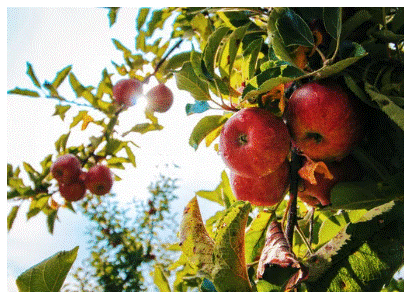
Tree Fruits
Apples, pears, cherries, and plums bred for cold and short seasons.
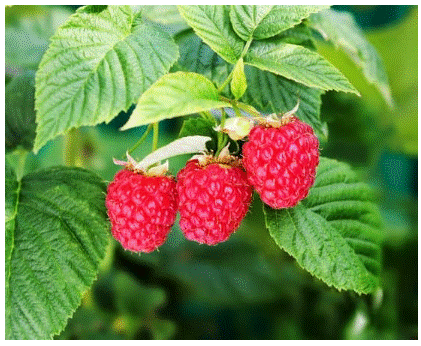
Berries
Hardy berry plants that tolerate frost and cooler temperatures.
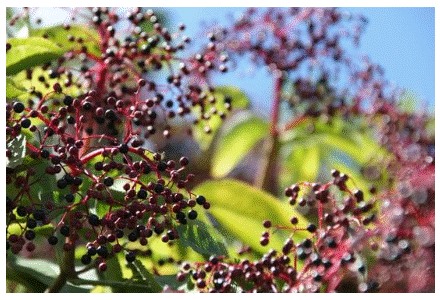
Cold-Hardy & Niche Fruits
Unique fruits that thrive where traditional varieties struggle.
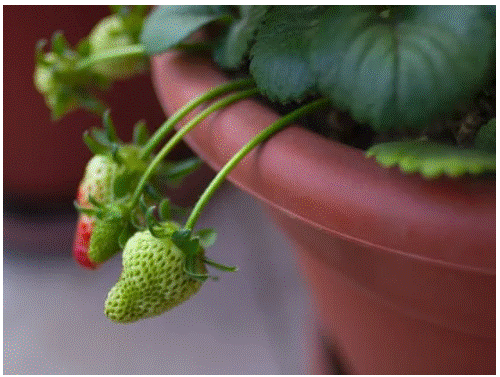
Container-Friendly Fruits
Dwarf trees and compact fruit plants ideal for patios and small spaces.
In-Ground vs Container Fruit Gardening at Altitude
Your garden structure for fruit trees and plants matters just as much as what you plant—especially at elevation.
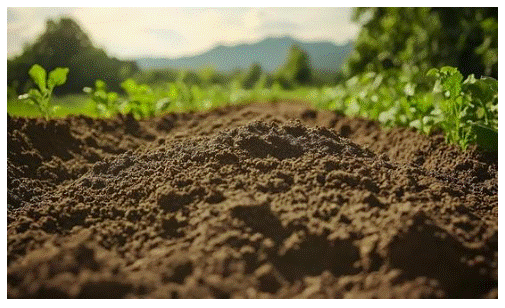
In-Ground Gardens
Learn more: In Ground Gardening at High Altitude →
Planting fruit directly in the ground offers long-term growth potential but requires frost protection, wind barriers, and careful soil preparation.
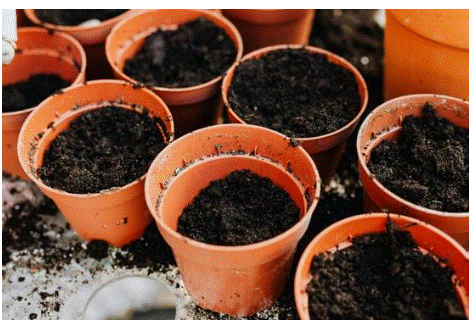
Container Gardens
Learn more: Container Gardening at High Altitude →
Container fruit gardening allows greater control over soil, mobility during frost events, and flexibility for small spaces.
High-Altitude Growing Season Breakdown
Seasonal Fruit Gardening at High Altitude
Knowing when to plant—and when to protect—is key at elevation. Prepare your fruit crop from damage and extend your growing season.
In spring, plant, prune, focus on frost protection, and blossom care.

In summer, water management, sun protection, and pollination support are critical.
In fall, harvest timing, soil improvement, and winter preparation are key.

In winter, dormancy care, tree wrapping, and cold-weather protection are needed.
Common High-Altitude Fruit Gardening Challenges
-
What’s happening
Late spring frosts damage delicate blossoms before they can be pollinated, causing flowers to fall off and reducing fruit set—common in high-altitude and mountain climates.Why it happens at elevation
Rapid temperature swings
Blossoms opening early during warm spells
Cold air pooling overnight in low garden areas
Signs to look for
Flowers turning brown or black in the center
Blossoms falling within days of opening
Healthy leaves but no developing fruit
What you can do now
Cover trees overnight with frost cloth or lightweight sheets
Water soil before a frost (moist soil holds heat better)
Use outdoor-rated string lights under covers for gentle warmth
Prevention tips
Choose late-blooming fruit varieties
Avoid planting in frost pockets
Delay pruning to slow early blooming
-
What’s happening
Sunscald occurs when intense winter or early spring sun heats bark during the day, followed by rapid freezing at night—damaging trunk tissue.Why it happens at elevation
Strong UV exposure
Snow reflection amplifying sunlight
Thin bark on young or newly planted trees
Signs to look for
Cracked, peeling, or discolored bark
Sunken or dead patches on the south or southwest side
Reduced vigor over time
What you can do now
Wrap trunks with breathable tree wrap
Apply diluted white latex paint (interior, non-gloss)
Shade exposed trunks temporarily
Prevention tips
Keep wraps on through winter and early spring
Avoid late-season pruning that exposes bark
Plant trees with natural shade on the south side
-
What’s happening
Flowers bloom but fail to set fruit due to inadequate pollination—often mistaken for frost damage.Why it happens at elevation
Cold, windy, or wet spring weather
Fewer active pollinators early in the season
Incompatible or missing pollination partners
Signs to look for
Flowers drop without fruit forming
Small fruit aborts early
Healthy tree with low yield
What you can do now
Hand-pollinate using a small brush
Encourage pollinators with flowering companions
Avoid spraying insecticides during bloom
Prevention tips
Plant compatible pollinator varieties
Choose cold-hardy, self-fertile trees when possible
Create windbreaks and pollinator habitat
-
What’s happening
Strong winds and hail can damage blossoms, leaves, branches, and developing fruit—sometimes overnight.Why it happens at elevation
Sudden mountain storms
Higher wind exposure
Limited natural shelter
Signs to look for
Torn or shredded leaves
Bruised or scarred fruit
Broken or split branches
What you can do now
Prune cleanly damaged branches
Remove severely damaged fruit
Provide deep watering to reduce stress
Prevention tips
Install windbreaks or fencing
Use hail netting during storm season
Train trees with strong central leaders
High-Altitude Gardening Resources


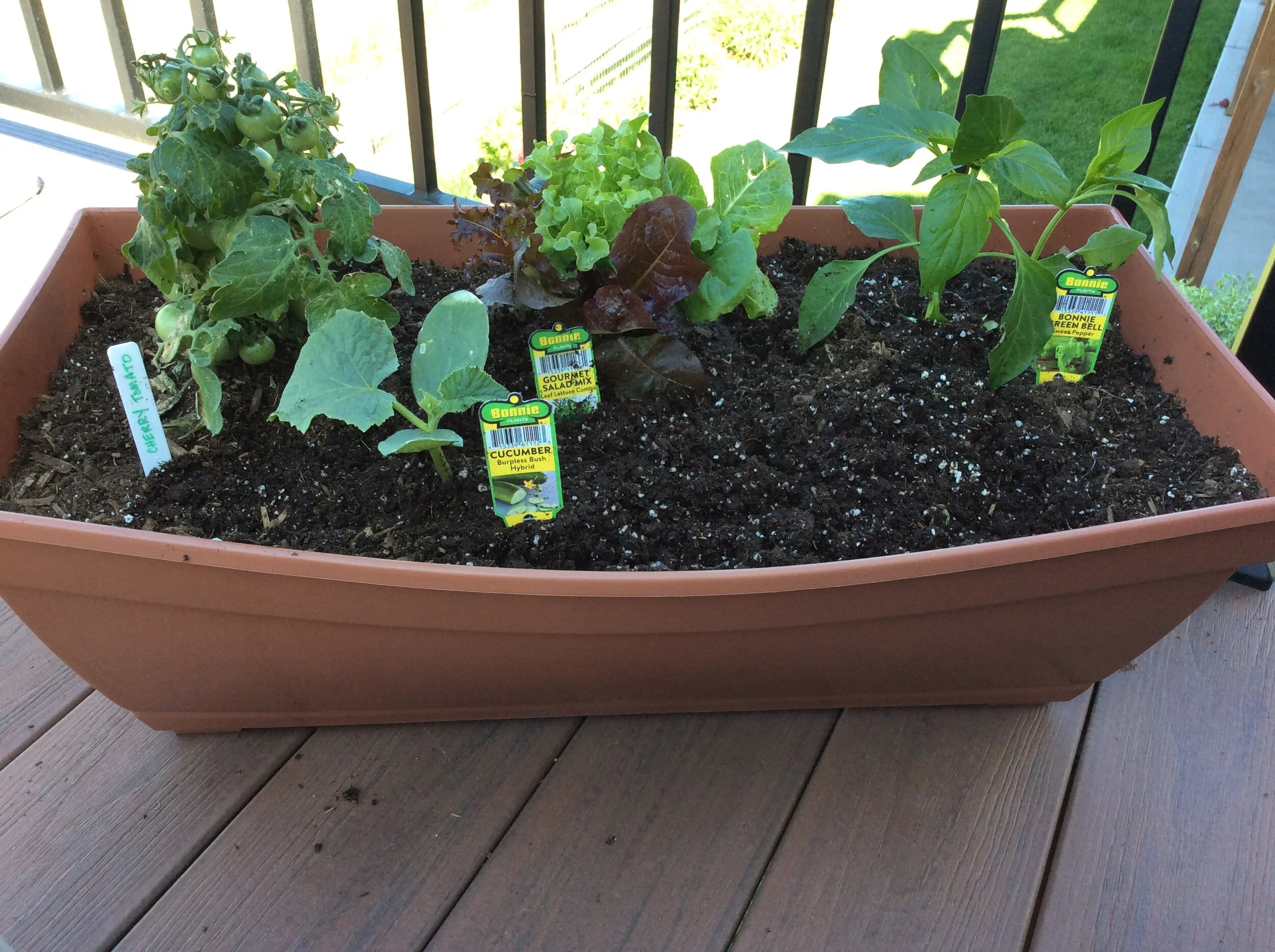


Explore More High-Altitude Fruit Gardening Guides
Looking for deeper guidance? Start here:
Altitude Affects More Than Your Garden
From how bread rises to how your body hydrates, elevation changes everything.
Explore more resources below:
New to life at elevation?
GRAB OUR FREE RESOURCE GUIDE BELOW:
Living at High-Altitude Resource Guide | Baking, Gardening, and Thriving Above the Clouds