
Best Fruit Trees for Zones 4–6 at High Elevation
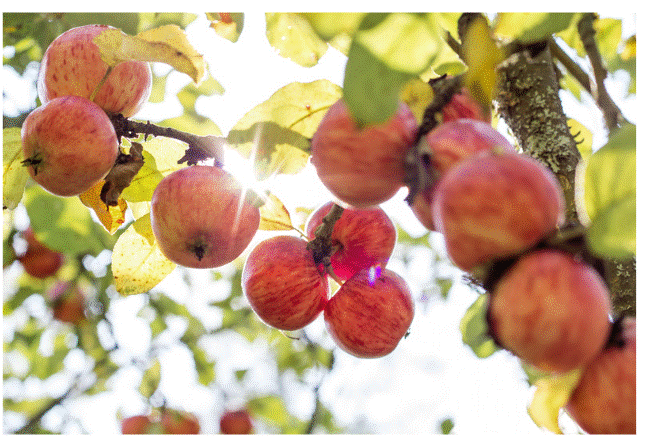
Guide to Planting, Caring, and Protecting Your Orchard
Growing fruit trees at high elevation can be one of the most rewarding parts of gardening—but it also comes with unique challenges. Shorter growing seasons, intense sunlight, strong winds, and colder winters test the limits of many plants. However, with the right selection of hardy fruit trees and proper care, you can harvest juicy apples, flavorful pears, tart cherries, and more even in cooler mountain climates.
This guide will help you:
Choose the best fruit trees for zones 4–6 at high elevation
Understand water needs for high-altitude orchards
Learn how to winterize your trees
Manage pests specific to mountain orchards
Get ready to plant an orchard that thrives season after season.
Understanding High Elevation and Hardiness Zones
Hardiness zones are based on average minimum winter temperatures. Zones 4–6 include many mountain regions where winter temperatures can dip well below freezing, growing seasons are shorter, and UV exposure is stronger.
High elevation adds additional challenges:
Large temperature swings between day and night
Cold nights that can slow or stunt growth
Potential for late spring frost that can damage blossoms
Increased wind exposure that dries soil and damages limbs
Choosing the right fruit trees—and caring for them well—is key to success.
Top Fruit Trees for Zones 4–6 at High Elevation
Below are the best-performing fruit trees for mountain gardens, selected for cold tolerance, disease resistance, and reliability in cooler climates.
1. Apples
Best Choices:
Honeycrisp – sweet-tart flavor and excellent cold hardiness
Liberty – disease resistance and crisp texture
Cortland – juicy eating apple and good for baking
Why Apples Work at High Elevation:
Apples are among the most reliable fruit trees in colder climates. Many cultivars tolerate temperatures well below zone 4, making them excellent choices for mountain orchards.
Pollination Note:
Most apple trees require cross-pollination, so plant at least two compatible varieties that bloom at the same time.
2. Pears
Best Choices:
Bartlett – classic pear flavor
Anjou – great fresh or cooked
Harrow Delight – cold-tolerant European pear
Why Pears Are Great:
Pears are remarkably cold hardy and adapt well to high altitude climates. They don’t require as much winter chilling as some other fruit trees, making them highly dependable.
Pollination Needs:
Like apples, pears also benefit from cross-pollination, but some self-fertile cultivars exist.
3. Cherries
Best Choices:
Bing – sweet cherry good for eating fresh
Montmorency – tart cherry perfect for baking and jams
Sweetheart – late-season sweet cherry
High Elevation Advantages:
Cherries enjoy cooler climates and often ripen beautifully at higher elevations, where heat-loving pests struggle to thrive.
Dangers:
Cherries can be susceptible to frost damage during bloom, so consider microclimates and frost protection (see winterizing tips below).
4. Plums
Best Choices:
Stanley – excellent for eating fresh or canning
Mount Royal – cold-tolerant European plum
Why Plums Work:
Plums are tough, productive trees that tolerate cool climates well. They also ripen early enough to beat late summer heat in many mountain areas.
5. Apricots
Best Choices:
Moorpark – flavorful and reliable
Harcot – cold-hardy variety
Apricot Special Considerations:
Apricots can be more sensitive to late frosts because they bloom early. However, in the right sheltered site, they prosper.
Water Needs at High Elevation
Water management is one of the biggest differences between high-elevation orchards and lowland gardens.
Why Watering Is Different at High Altitude
Dry air and wind increase evaporation
Sun intensity accelerates soil drying
Roots need more moisture for healthy growth in shallow mountain soils
General Watering Guidelines
Newly Planted Trees (First 2 Years):
Water deeply 2–3 times per week during the growing season
Aim for water to reach at least 12–18 inches down to encourage deep roots
Established Trees:
Water every 7–10 days, more often in hot, dry spells
Always check soil moisture before watering
How to Check Soil Moisture
Use these simple methods:
Finger Test: Stick your finger into the soil 2–3 inches. If it’s dry, it’s time to water.
Soil Probe or Trowel: Check deeper moisture levels below the surface.
Best Practices
Water deeply and slowly—shallow watering encourages weak root systems.
Use mulch (wood chips or straw) to retain moisture and protect roots.
Proper hydration is essential in mountain climates, where dry soil can stunt growth and reduce fruit production.
Winterizing Fruit Trees
Winter protection is essential at high elevation. Cold temperatures, wind, and snow can stress trees and damage bark, limbs, and roots.
1. Mulch the Base
Apply 3–4 inches of mulch around the base of your trees (keeping it a few inches away from the trunk). The layer of mulch:
Protects roots from extreme freeze-thaw cycles
Reduces moisture loss
Adds organic matter over time
2. Protect Against Sun Scald and Bark Cracks
Intense winter sun followed by freezing nights can cause bark splitting, especially on young trees. To prevent damage:
Wrap trunks with tree wrap or burlap
Use white tree guards to reflect sunlight
3. Provide Wind Protection
High winds dry out young trees rapidly. Use:
Windbreaks (fences, trellises, or burlap screens)
Group plantings to shelter each other
4. Water Before the Ground Freezes
Trees need moisture going into winter. Water deeply in late fall if soil is dry.
5. Prune in Dormancy
Prune during winter dormancy to:
Remove dead or weak wood
Improve air circulation
Shape the tree before spring growth
Pest Control at Higher Elevations
While high elevations often have fewer insect pests than lowlands, several common orchard pests can still be problematic.
Common Fruit Tree Pests
1. Aphids
Tiny sap-sucking insects that cause curled leaves and sticky residue.
Control:
Spray with water
Use insecticidal soaps
Encourage beneficial insects (ladybugs)
2. Codling Moth
Larvae tunnel into apples and pears, ruining fruit.
Control:
Use pheromone traps
Wrap tree trunks with corrugated cardboard bands in early fall
Remove and destroy infested fruit
3. Spider Mites
Thrive in hot, dry conditions and cause stippled foliage.
Control:
Keep trees well watered
Spray with horticultural oil early in the season
4. Deer & Rodents
Common at high elevation. Deer munch buds and fruit; rodents chew bark.
Control:
Tree guards or fencing
Repellents
Clean up fallen fruit
Seasonal Care Checklist
Here’s a simple yearly care timeline for high-elevation fruit trees:

Mulch refreshed
Fertilize lightly
Install netting for birds
Monitor for frost and protect blossoms

Deep, consistent water
Prune for shape and airflow
Watch for pests and treat early
Harvest when ripe
Rake and dispose of fallen fruit to prevent pests
Water before the ground freezes

Mulch heavily
Wrap young trunks
Prune dormant trees
Growing Fruit Trees the Mountain Garden Way
Growing fruit trees in high elevation zones 4–6 requires a bit of strategy—but with the right varieties and care routines, you can enjoy fresh, homegrown fruit year after year.
Choose cold-hardy fruit trees suited for short seasons
Water thoughtfully and deeply
Prepare trees for winter
Protect against pests early and often
With patience and consistent care, your high-elevation orchard will flourish, bringing beauty, flavor, and fresh fruit to your table every season.
Altitude Affects More Than Your Garden
Living at elevation is a unique experience that goes far beyond the soil. From the way your sourdough rises in the oven to how your body processes hydration under the mountain sun, altitude changes the rules of daily life. At Simply Altitude, we’re here to help you master the peaks.
Explore more resources below:
High Altitude Baking | Perfect your recipes with elevation-adjusted tips.
High Altitude Cooking | Master stovetop and oven techniques for mountain meals.
Living Well at High Altitude | Stay hydrated and healthy while enjoying the view.
New to life at elevation?
GRAB OUR FREE RESOURCE GUIDE BELOW:
Living at High-Altitude Resource Guide | Baking, Gardening, and Thriving Above the Clouds