Master High Altitude Cooking: Tips, Tricks, and Recipes
From boiling to baking, learn how altitude changes every meal.
Why High Altitude Changes Your Cooking
At sea level, the weight of the atmosphere (air pressure) acts like a lid on your food. As you climb higher, that "lid" gets lighter.
This drop in atmospheric pressure creates three primary challenges:
Lower Boiling Points: Water boils faster but at a lower temperature, meaning food takes longer to cook in liquid.
Faster Evaporation: Liquids disappear into the air more quickly, leading to dry dishes.
Aggressive Leavening: Gases (like air or CO2) expand more rapidly, causing breads and cakes to rise too fast and then collapse.
Boiling, Simmering, and Water-Based Cooking
Because water boils at a lower temperature—roughly 202°F at 5,000 feet compared to 212°F at sea level—your food isn't actually getting as hot as it would at the beach.
Cook Longer: Increase cooking times for pasta, beans, and potatoes. If a box says 10 minutes, expect 12–15.
Use a Lid: Keeping the lid on traps steam and helps maintain a slightly higher internal temperature.
The Pressure Cooker Advantage: This evens the playing field for high altitude. It mimics sea-level pressure, cutting bean and stew cooking times by 70%.
Frying and Sautéing Adjustments
You might notice your oil smokes sooner or your meat browns faster on the outside while remaining raw inside.
Temperature Control: Use a high-quality oil with a high smoke point (like avocado or grapeseed).
Cooking Low and Slow: Sear your meat to get that perfect crust, then finish it at a lower temperature or in the oven to ensure it cooks through without burning.
Safety Tip: Watch for oil spitting from the pan. Because moisture evaporates faster, frozen or wet foods can cause hot oil to react more violently.
From Braising to Baking
High altitude is notoriously dry. Without intervention, your Sunday roast can quickly turn into leather.
Internal Temps: Use a meat thermometer! Relying on minutes per pound will fail you at altitude.
The Braise Benefit: Cooking meats in liquid (like pot roast) is the most reliable way to ensure tenderness at elevation.
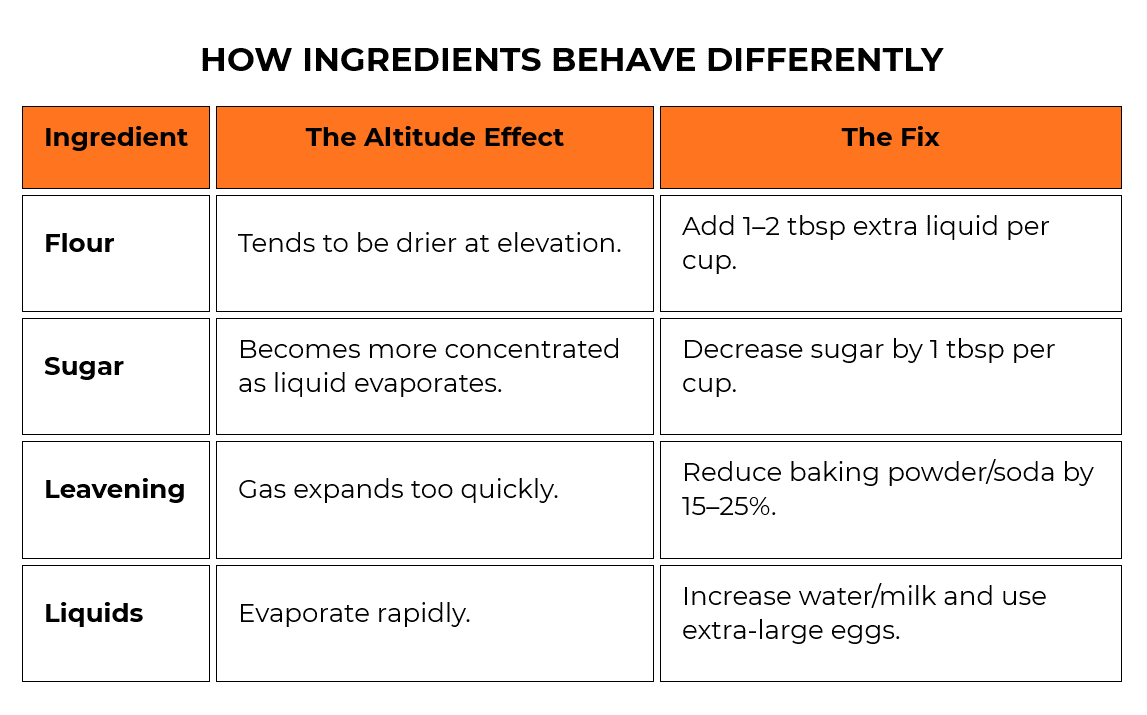
The Baking Bridge: Baking is the most complex adjustment.
Note: For specific guides on cakes, cookies, and sourdough, visit our High Altitude Baking Page.
High Altitude Recipes


The High-Altitude Tool Kit
Investing in the right gear removes the guesswork from mountain cooking.
Instant-Read Thermometer: Essential for checking meat and ensuring water has reached the correct temperature.
Electric Pressure Cooker (Instant Pot): The single best investment for high-altitude kitchens.
Kitchen Scale: Volume measurements (cups) are unreliable when flour is dry and packed; weight is always accurate.
High-Altitude Flour: Look for brands with higher protein content to provide better structure.
Solving Common High-Altitude Challenges
Troubleshooting Your Kitchen
Undercooked Pasta? Start tasting 2 minutes after the box's recommended time. Use more water than usual to prevent starch buildup.
Dry Roasts? Lower your oven temperature by 15°F–25°F and cook slightly longer.
Dense or "Fallen" Cakes? You likely used too much leavening. Reduce your baking powder next time and ensure your eggs are at room temperature.
Bland Soups? Because flavors don't develop the same way at lower temperatures, you may need to "brighten" the dish with extra salt or acidity (lemon/vinegar) at the end.
See more information in High Altitude Cooking Tips.
Explore More High-Altitude Cooking Tips
Looking for more guidance? Start here:
Altitude Affects More Than Your Kitchen
From how bread rises to how your body hydrates, elevation changes everything.
Explore more resources below:
New to life at elevation?
GRAB OUR FREE RESOURCE GUIDE BELOW:
Living at High-Altitude Resource Guide | Baking, Gardening, and Thriving Above the Clouds