
The Shortened Growing Season
High-Altitude Gardening: Master the Short Season
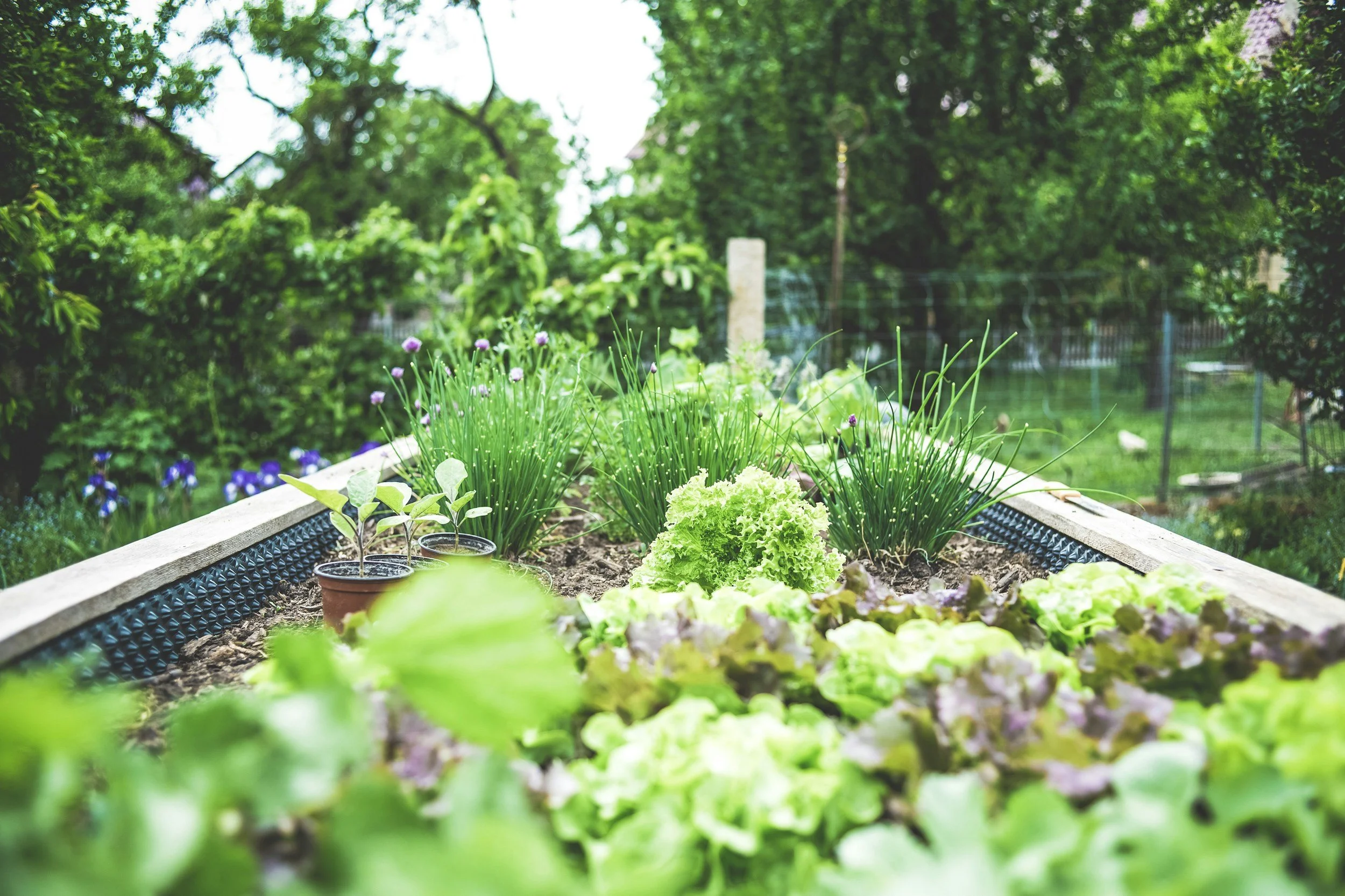
Gardening in the mountains is a masterclass in patience, resilience, and timing. At high altitudes—whether you’re in the Rockies, the Sierras, or the Appalachians—the air is thinner, the UV rays are more intense, and the growing window is noticeably shorter and fickle. You might wake up to a 75°F afternoon and go to bed with a frost warning.
At Simply Altitude, we believe that living at 5,000+ feet shouldn't mean sacrificing a lush garden. It just means gardening smarter. This guide will walk you through the essential strategies for soil preparation, crop selection, and protecting your harvest from the unique ‘High Country trifecta’ of early frosts, sudden hail, and hungry wildlife.
The Foundation: Preparing High-Altitude Soil
In many mountain regions, the soil is either heavy clay or extremely sandy and rocky. Neither is ideal for vegetables. Furthermore, high-altitude soil is often "lean," meaning it lacks the organic matter found in lower-elevation river valleys.
At high altitudes, the growing season is often bookmarked by a late spring frost that lingers into June and an early autumn frost that arrives in late August or September. While sea-level gardeners might enjoy 150+ frost-free days, mountain gardeners often have to work within a narrow 60 to 90-day window.
The Soil Temperature Lag
Even when the air feels warm in May, the soil at high altitudes stays cold much longer. Most vegetable seeds require a soil temperature of at least 60°F (15°C) to germinate. Planting too early in cold, damp soil often leads to seed rot rather than growth.
The "Bolting" Risk
Because the sun is more intense at higher elevations, plants can become stressed. When a cool-weather crop (like spinach or lettuce) experiences intense heat followed by a sudden cold snap, it may "bolt"—sending up a flower stalk and turning bitter—as a survival mechanism to produce seeds before the season ends.
Strategies for Success
Choose Short-Season Varieties: Look for seeds labeled "60 days to harvest" or less.
Pre-Warm the Soil: Use black plastic or "Wall-o-Water" insulators to raise soil temperatures weeks before planting.
Hardening Off: This is non-negotiable. Mountain plants must be slowly acclimated to the high UV index and wind or they will suffer transplant shock.
Test, Don’t Guess
Before you add a single amendment, get a soil test. High-altitude soils can be surprisingly alkaline (high pH). If your pH is above 7.5, plants like blueberries or even certain tomatoes will struggle to take up nutrients, no matter how much you fertilize.
Organic Matter is King
Because the growing season is short, your plants need "fast-food" nutrients—easily accessible organic matter.
Compost: Incorporate 3–4 inches of well-rotted compost every spring. This improves drainage in clay and water retention in sand.
The "Warm Up" Trick: High-altitude soil stays cold long after the air warms up. Use black plastic or dark landscape fabric to cover your beds two weeks before planting. This can raise soil temperatures by 5–10°F, giving your seeds a crucial head start.
Living Soil: The Power of Mycorrhizae
Since high-altitude soil often lacks organic matter, gardeners must look beyond traditional fertilizers. This is where mycorrhizae (pronounced my-cor-ri-zee) become a mountain gardener’s best friend.
What is Mycorrhizae?
Mycorrhizae is not a fertilizer; it is a beneficial fungus that forms a symbiotic (mutually beneficial) relationship with plant roots.
The Swap: The plant provides the fungi with sugars produced through photosynthesis.
The Service: In exchange, the fungi grow a vast web of tiny threads called hyphae that extend far beyond the plant's own root system.
Is it Beneficial for High Altitude?
Yes, absolutely. In fact, it is often the secret to survival in harsh mountain climates. Here is why:
Increased Water Absorption: The fungal network acts like a sponge, reaching into microscopic soil pores that roots can’t touch. This is vital in the low-humidity, high-evaporation environment of the mountains.
Nutrient Mining: In rocky or "lean" soil, phosphorus and other minerals are often "locked" away. Mycorrhizae produce enzymes that dissolve these minerals, making them available to the plant.
Stress Tolerance: Mycorrhizal plants have been shown to be more resistant to the salt buildup often found in mountain soils and are better equipped to handle the shock of dramatic temperature swings.
Soil Structure: These fungi produce a glue-like substance called glomalin, which helps bind sandy or rocky soil together into "pockets" that hold air and water.
How to Use It
You can buy mycorrhizae as a powder or liquid at most garden centers. For the best results, it must come into direct contact with the roots during transplanting. Simply dusting the root ball of your tomato or squash plant before it goes into the ground can give it the "boost" it needs to win the race against the short season.
Choosing Your Battles: What to Grow
The biggest mistake high-altitude gardeners make is buying "standard" varieties from big-box stores. When you only have 60 to 90 frost-free days, you need "short-season" or "early" varieties.
The Vegetable Patch
Focus on crops that either love the cold or reach maturity quickly.
CategoryBest High-Altitude ChoicesWhy?Leafy GreensSpinach, Kale, Swiss Chard, ArugulaThey can survive light frosts and actually taste sweeter after a cold snap.Root VeggiesRadishes, Carrots, Beets, TurnipsThe soil insulates them, and they mature quickly (Radishes in 25 days!).Short-Season Tomatoes'Early Girl', 'Stupice', 'Siberian'These are bred to set fruit at lower temperatures and ripen in under 60 days.LegumesSugar Snap Peas, Bush BeansPeas love the cool spring; bush beans grow faster than pole beans.
Fruits for the Heights
Orchards are tricky because a late spring frost can kill blossoms, resulting in zero fruit for the year.
Berries: Strawberries (June-bearing) and Raspberries are the champions of the mountains. They are hardy and can be covered easily.
Hardy Apples: Look for 'Honeycrisp' or 'State Fair'.
Avoid: Peaches and Apricots unless you have a very sheltered microclimate, as they bloom too early for most high-altitude zones.
High-Altitude Flowers
UV intensity is much stronger at altitude, which can bleach delicate petals.
Perennials: Columbine (the mountain queen), Lupine, Delphinium, and Yarrow.
Annuals: Pansies and Violas for the early season; Sweet Peas and Zinnias for the heat of July.
The "Summer Snow": Preparing for Hail
In the mountains, hail isn't a possibility; it's an inevitability. A ten-minute storm can turn a prize-winning garden into green confetti.
The Defensive Kit
Hardware Cloth/Hail Netting: Permanent structures made of fine wire mesh or specialized "hail netting" can stay over your beds all season. They let in 90% of sunlight but break the kinetic energy of hail stones.
The Bucket Brigade: Keep 5-gallon buckets or large nursery pots near the garden. When the sky turns that ominous "hail green," flip them over your most precious plants (tomatoes/peppers).
Avoid "Soft" Mulch: During heavy hail, light straw mulch can wash away or become a soggy mess. Use heavier organic mulches or wood chips to keep the soil in place.
The Early Frost: Extending the Season
At 7,000 feet, frost can hit in mid-August. To garden successfully, you must keep an eye on the forecast and be prepared for damaging weather changes.
Microclimates
Plant your "tender" crops (tomatoes, peppers, basil) against a south-facing stone wall or the side of the house. The structure absorbs heat during the day and radiates it back at night, creating a pocket of air that is 3–5°F warmer than the rest of the yard.
Protection Tools
Wall-o-Waters: These water-filled plastic teepees surround individual plants. The water freezes on the outside but stays liquid on the inside, protecting plants down to 10°F.
Row Covers: Lightweight frost blankets can stay on your plants during the day. They provide 2–6°F of protection.
Cold Frames: Basically a mini-greenhouse with a transparent lid. This is the best way to grow greens well into November.
Wildlife: To Share or Not to Share with the Locals
High-altitude gardens are an oasis for hungry wildlife. Deer, elk, rabbits, and pocket gophers view your garden as a 5-star buffet.
The Deer and Elk Problem
A four-foot fence is a suggestion to a deer; they can clear eight feet if they are hungry. We’ve had deer eat our tomatoes, corn and even the jalapeño plants during the growing season!
Fencing: Use 8-foot deer fencing or motion-activated sprinklers (like the "ScareCrow").
Scent Deterrents: Blood meal, sulfur-based sprays, or even bars of strong-smelling soap hung from branches can help, but you must rotate them frequently so the animals don't get used to the smell.
The Underground War: Gophers and Voles
If your plants disappear pulled straight down into the earth, you have gophers.
Gopher Cages: Plant your perennials and shrubs in baskets made of galvanized hardware cloth.
Raised Beds with Bottoms: When building raised beds, line the bottom with 1/2-inch hardware cloth before adding soil. This creates a permanent barrier against burrowing rodents.
The "Sacrificial" Garden
Sometimes the best defense is a good offense. Plant a "wildlife patch" of native grasses and wildflowers far away from your vegetable garden to keep the locals occupied elsewhere.
Summary To Do Checklist for the Mountain Gardener
April/May: Test soil, add compost, and lay down black plastic to warm the earth.
June (After the last frost): Plant short-season varieties. Install hail netting immediately.
July: Mulch heavily to conserve moisture during the dry mountain wind.
August: Keep frost blankets ready. Watch for "hail clouds" in the afternoon.
September: Harvest "tender" crops at the first sign of a hard freeze; leave the kale and carrots to get sweeter.