Why Is My Baked Good Underdone?
High-Altitude Baking Troubleshooting for
Every Type of Recipe
If you bake at high altitude and constantly pull pans from the oven only to discover gooey centers, gummy crumbs, collapsed middles, or raw streaks, you are not alone.
One of the most common—and frustrating—complaints among mountain bakers is “Why is my baked good underdone even though the outside looks finished?”
At elevations above 5,000 feet, lower air pressure changes how baked goods rise, set, and cook through. Recipes written for sea level often appear done long before their internal structure has had time to fully bake.
This guide explains why underbaking happens at altitude, the top causes, and then breaks down specific fixes by baked good type—from bread and muffins to cakes, brownies, pies, and pastries.
Disclosure: Some of the links included are affiliate links. This means that, at zero cost to you, I will earn an affiliate commission if you click through the link and finalize a purchase.
The High-Altitude Baking Reality
The Physics of the Mountain Kitchen
High-altitude baking is governed by a few scientific "rules" that differ from sea-level standards. Understanding these is the first step toward achieving a perfect rise.
Water Boils at a Lower Temperature: As you go up in elevation, the air pressure pushing down on your ingredients decreases. Because there is less pressure to "hold" water molecules in a liquid state, they turn into steam much faster. At 6,000 feet, water boils at roughly 201°F instead of the standard 212°F.
Liquids Evaporate Faster: Because the air is thinner and typically much drier in the mountains, moisture leaves your batter or dough more rapidly. This can lead to a concentrated sugar ratio (making things overly sweet) or a dry, crumbly texture.
Gases Expand More Quickly: Leavening agents like baking powder, baking soda, and yeast react with incredible speed in low-pressure environments. The air bubbles created by these agents grow larger and faster than they would at sea level.
Structure Sets Slower Than the Rise: The "structure" of a cake (formed by flour and eggs) needs time and heat to set. However, because gases expand so quickly at altitude, the cake often reaches its peak height before the internal structure is strong enough to hold it up.
What This Means for Your Baked Goods
When these four forces collide, they create a "perfect storm" that can ruin a bake. Here is how those physics manifest in your kitchen:
1. The Initial Rise and Collapse
Because gases expand so aggressively, your cake or bread may rise rapidly in the first ten minutes. However, because the interior structure hasn't set yet, the ‘balloon’ pops. This leads to the classic mountain crater—a cake that looks beautiful in the oven but sinks the moment it's touched or cooled.
2. Deceptive Early Browning
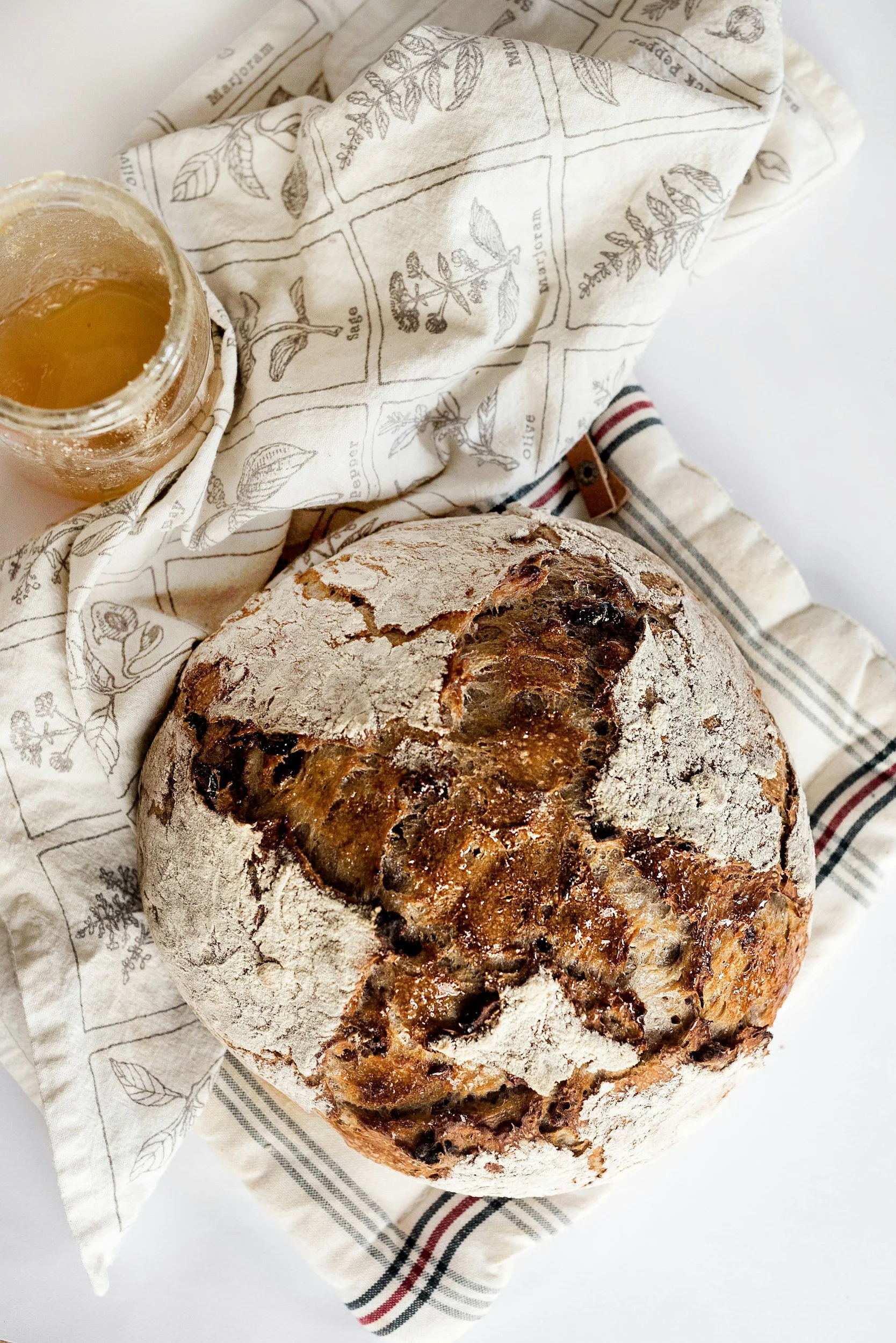
The lower boiling point means moisture on the surface of your dough evaporates almost instantly. This can lead to rapid browning or a crust that forms before the middle of the cake is cooked. You may pull a golden-brown loaf out of the oven only to find it is still raw in the center.
3. The "Gummy" Interior
Since the internal temperature of a cake cannot exceed the boiling point of water, the interior of your bake stays moist longer. If the air pressure has caused the cake to expand too much, the starch molecules can’t gelatinize properly, resulting in a dense, gummy layer at the bottom.
4. Impossible Internal Temperature
Standard recipes often tell you to bake until a toothpick comes out clean or the internal temp hits 210°F. At high altitude, these rules can be misleading. A toothpick might come out clean because the moisture has evaporated, but the proteins haven't actually set. Furthermore, reaching 210°F is physically impossible at high elevations; trying to reach it will only result in a burnt, dry cake.
The Bottom Line
If your cakes are sinking or your bread is dry, it isn't because you are a "bad baker"—it’s simply physics. To succeed, we have to adjust our recipes to strengthen the structure, slow down the rise, and protect our moisture.
Top Reasons Baked Goods Are Underdone at High Altitude
1. Oven Temperature Is Too Low (or Inaccurate)
One of the most common high-altitude baking mistakes is lowering the oven temperature to prevent over-browning. While this may seem logical, it usually makes underbaking worse.
At high altitude, lower air pressure allows gases in batter and dough to expand more quickly. If the oven temperature is too low, baked goods rise before their internal structure (starches and proteins) has time to set. The result is a product that looks done on the outside but remains raw, gummy, or collapsed inside.
Early browning at altitude is often caused by concentrated sugars, not excessive heat. Lowering the temperature delays structural setting and traps moisture in the center.
Common Signs This Is the Problem
Brown or cracked top with a wet interior
Set edges and a sunken or sticky center
Collapsing after removal from the oven
Try This
Increase oven temperature by 15–25°F for most baked goods
Use an oven thermometer—many home ovens run 25–50°F cooler or hotter than indicated
Focus on internal doneness, not surface color
2. Too Much Liquid in the Recipe
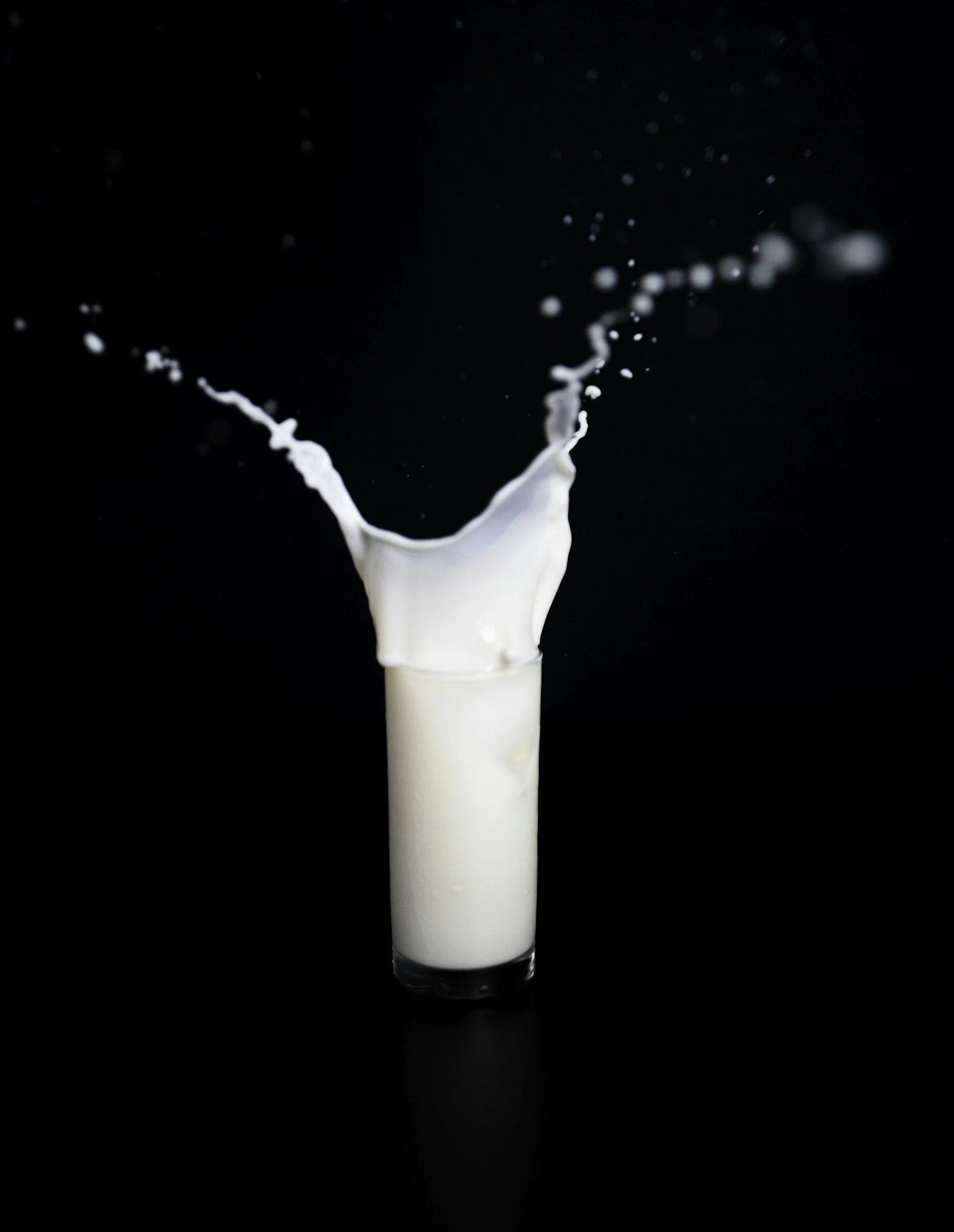
Because water boils at a lower temperature at altitude, liquid evaporates faster during baking. However, starting with too much liquid can still prevent structure from forming properly.
Excess moisture slows starch gelatinization and protein setting. When combined with high sugar or fat, the interior may remain wet, pasty, or gluey, even after extended baking.
This problem is most common in:
Quick breads
Muffins
Brownies
High-moisture cakes
Common Culprits
Extra milk, water, or juice
Too much oil or butter
Large eggs or too many eggs
Liquid sweeteners (honey, maple syrup, agave)
Common Signs This Is the Problem
Wet streak through the center
Gummy or sticky crumb
Interior never firms, even after cooling
Try This
Reduce added liquid by 1–2 tablespoons per cup
Reduce sugar slightly before reducing liquid if the recipe is very sweet
Use standard-size eggs and avoid adding extra yolks at altitude
Important: This adjustment applies when the texture is wet or gummy, not rubbery or collapsed.
3. Too Much Leavening (Baking Powder or Baking Soda)
At high altitude, leavening gases expand more aggressively due to lower air pressure. Too much baking powder or baking soda causes batter to rise too quickly, before the structure is strong enough to support it.
When this happens, baked goods expand rapidly in the oven, then collapse as they cool—often leaving a raw or underbaked center. For more information on leavening, see our post on Baking Powder Vs Baking Soda.
This issue frequently appears in:
Cakes and cupcakes
Muffins
Quick breads
Common Signs This Is the Problem
Domed top that sinks after baking
Tunnels or large air pockets
Gummy or underbaked center despite full bake time
Try This
Reduce baking powder or baking soda by 1/4-1/2 teaspoon per teaspoon used
Never add extra leavening to “help” rise at altitude
Combine with a slightly higher oven temperature to set structure faster
4. Pan Size, Material, or Color
The pan you use affects how heat moves into your batter, which is especially important at altitude.
Dark pans absorb heat quickly and promote early browning, while glass pans heat slowly and unevenly. Both can cause the exterior to appear done while the interior remains undercooked.
Oversized pans can also cause batter to spread too thin, leading to uneven cooking and weak structure.
Common Signs This Is the Problem
Overbrowned edges with raw center
Dry sides and wet middle
Uneven crumb from edge to center
Try This
Use light-colored aluminum pans whenever possible
Avoid glass pans for cakes and quick breads
Use the exact pan size specified in the recipe
Avoid dark nonstick pans unless temperature is reduced and bake time extended
5. Opening the Oven Too Early
At high altitude, baked goods take longer to set their internal structure, even if they appear visually done. Opening the oven too early releases heat and disrupts steam, causing fragile batters to collapse.
Once structure collapses, the center often remains dense, wet, or sunken, regardless of how long it continues to bake.
Common Signs This Is the Problem
Sunken center after checking early
Dense or underbaked interior
Collapsing immediately after removal
Try This
Do not open the oven until at least 3/4 of the bake time has passed
Rotate pans only once and as quickly as possible
Avoid slamming the oven door
6. Relying on Time Instead of Doneness Tests
High-altitude baking almost always requires longer bake times than recipes written for sea level. Visual cues and bake times alone are unreliable indicators of doneness at elevation.
Because baked goods brown faster at altitude, they may look finished well before the interior has fully set.
Common Signs This Is the Problem
Clean toothpick but gummy crumb
Looks done but sinks while cooling
Raw interior discovered after slicing
Try This
Bake until doneness, not the clock.
Use a combination of:
Toothpick test (no wet batter, moist crumbs are okay)
Light press test (springs back gently)
Internal temperature when appropriate
High-Altitude Temperature Guidelines
For more details on internal temperatures, see our resources below:
Why Specific Baked Goods Are Underdone (And How to Fix Them)
Bread (Yeast & Quick Breads)
Why Bread Is Underdone
Overproofing from rapid yeast activity
Too much hydration
Oven not hot enough to set crumb
High-Altitude Bread Fixes
Reduce yeast by 25–30%
Slightly reduce water (1–2 tbsp per cup)
Bake at 25°F higher
Use internal temp specific to your altitude
Cakes (Layer Cakes, Sheet Cakes)
Why Cakes Look Done but Aren’t
Fast rise + slow structure
Excess sugar weakens crumb
Too much egg moisture
High-Altitude Cake Fixes
Reduce sugar by 1–2 tablespoons per cup
Reduce leavening slightly
Increase oven temp to 350–365°F
Bake longer—don’t rely on toothpick alone
Use internal temp specific to your altitude
Muffins
Why Muffins Stay Gummy Inside
Too much liquid or sugar
Excess leavening
Batter spread too quickly before setting
High-Altitude Muffin Fixes
Reduce liquid slightly
Reduce baking powder by 1/4 tsp
Increase oven temp by 15–25°F
Fill liners only 2/3 full
Bake until domes spring back and tops crack
Cupcakes
Why Cupcakes Have Raw Centers
Same batter issues as cakes
Smaller size exaggerates rise-collapse effect
High-Altitude Cupcake Fixes
Reduce sugar by 1–2 tablespoons per cup
Use same cake adjustments
Bake slightly longer than recipe states
Avoid opening oven early
Tops should be set and slightly matte, not shiny
Brownies & Bars
Why Brownies Are Raw in the Middle
High fat + sugar content slows setting
Gooey styles are extra sensitive at altitude
High-Altitude Brownie Fixes
Reduce butter or oil by 1–2 tablespoons
Reduce sugar slightly
Bake longer at same temperature
Look for set edges + slight jiggle in center (not sloshy)
Internal temp: 180–190°F
Cookies
Why Cookies Stay Doughy
Too much fat or sugar
Not enough structure from flour or egg whites
High-Altitude Cookie Fixes
Add 1–2 tablespoons flour
Slightly reduce butter
Chill dough before baking
Bake longer at same temp
Pies (Fruit & Custard)
Why Fruit Pies Are Underdone
Excess liquid from fruit
Filling never reaches boiling point
High-Altitude Fruit Pie Fixes
Pre-cook fruit filling
Add extra thickener (tapioca or cornstarch)
Bake until bubbling in center, not just edges
Why Custard Pies Are Underdone
Oven too hot causing skin to form
Center never fully sets
High-Altitude Custard Pie Fixes
Bake low and slow
Use jiggle test: center should wobble like gelatin, not ripple
Pastries
Why Pastries Stay Doughy
(Scones, Biscuits, Croissants)
Butter melting too fast
Dough spreading before lift sets
High-Altitude Pastry Fixes
Chill dough thoroughly
Increase oven temp 25°F
Reduce liquid slightly
Bake until layers are visibly set and lightly browned
Universal High-Altitude Doneness Tests (Use These Every Time)
Baking times at high altitude are unreliable. Lower air pressure, faster evaporation, and quicker structure setting mean your baked goods can go from underdone to overbaked in minutes. Instead of relying on the clock, use multiple doneness tests together to catch cakes at the perfect moment.
1. Visual Cues: Read the Surface First
A fully baked cake at altitude has a matte, set surface—not glossy or wet. Shiny areas usually indicate excess moisture that hasn’t finished evaporating or starches that haven’t fully gelatinized.
What to look for:
A dull, even finish across the top
Clearly defined edges
Slight pulling away from the sides of the pan
No wet patches or reflective shine
Why this matters at altitude:
Cakes dry out faster than they finish setting. Waiting for a “golden brown” top often leads to overbaking. Surface texture tells you more than color ever will.
2. Touch Test: Gentle Spring, Not a Bounce
Lightly press the center of the cake with your fingertip.
Correct doneness feels like:
A soft, light spring back
The indentation disappears slowly
The surface feels set, not sticky
Warning signs:
No spring back → underbaked
Immediate, firm bounce → likely overbaked
High-altitude tip:
At elevation, cakes firm up more as they cool. A cake that springs back gently in the oven will finish setting perfectly out of it.
3. Internal Temperature: The Most Reliable Test (When Possible)
If you bake frequently—or sell baked goods—an instant-read thermometer is one of the best tools you can own.
Target internal temperatures:
Internal temperatures will vary based on elevation and baked good.
This chart will breakout the internal temperature you can expect by elevation.
Why this works at altitude:
Internal temperature removes guesswork. It tells you when starches and proteins have fully set—before moisture loss turns your cake dry.
4. Sound Test: Listen for Activity
This test is often overlooked but incredibly helpful.
What to listen for:
Silence or very faint sounds = done
Bubbling, sloshing, or sizzling = still baking
Why it matters:
Active bubbling means excess moisture is still evaporating. Cutting baking short at this stage often leads to collapse, gumminess, or dense texture once cooled.
5. Cooling Test: Don’t Rush the Slice
The final stage of doneness happens outside the oven.
What happens during cooling:
Structure firms
Moisture redistributes
Crumb sets fully
High-altitude rule:
Cutting too early releases steam and collapses the crumb, creating dryness or gumminess even if the cake was baked correctly.
Best practice:
Cool in the pan for 10–15 minutes
Turn out onto a rack
Allow full cooling before slicing
High-Altitude Baker’s Rule of Thumb
Use at least three doneness tests every time. If all three agree, your cake is done—even if the timer says otherwise.
The #1 Mistake High-Altitude Bakers Make
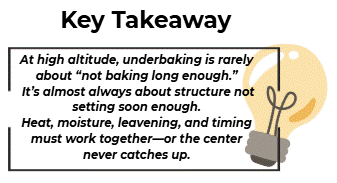
Assuming underdone means “lower the temperature” or “shorten the bake.”
At altitude, underdone usually means:
Not enough heat
Too much moisture
Structure didn’t set fast enough
Fix the structure, not just the surface.
Underdone Is a Symptom, Not a Failure
If your baked goods are underdone at high altitude, it’s not your skill—it’s your environment. Once you understand how altitude affects evaporation, rise, and structure, you can adjust with confidence.
High-altitude baking isn’t about guessing. It’s about control, timing, and balance.
And once you dial that in?
Perfect crumb, fully baked centers, every time.
Explore More High-Altitude Baking
If you enjoyed this recipe, head over to our High Altitude Baking Made Simple page. It’s our combined resource for mastering the science of elevated baking, featuring helpful adjustment charts and troubleshooting tips for different altitudes.
Looking for more mountain-tested favorites?
Moist and Rich: High Altitude Chocolate Cake
Soft & Fluffy: High Altitude Yellow Cake