Why Food Cooks Differently at Elevation
The High-Altitude Kitchen
Why does food take longer to cook at High Altitude?
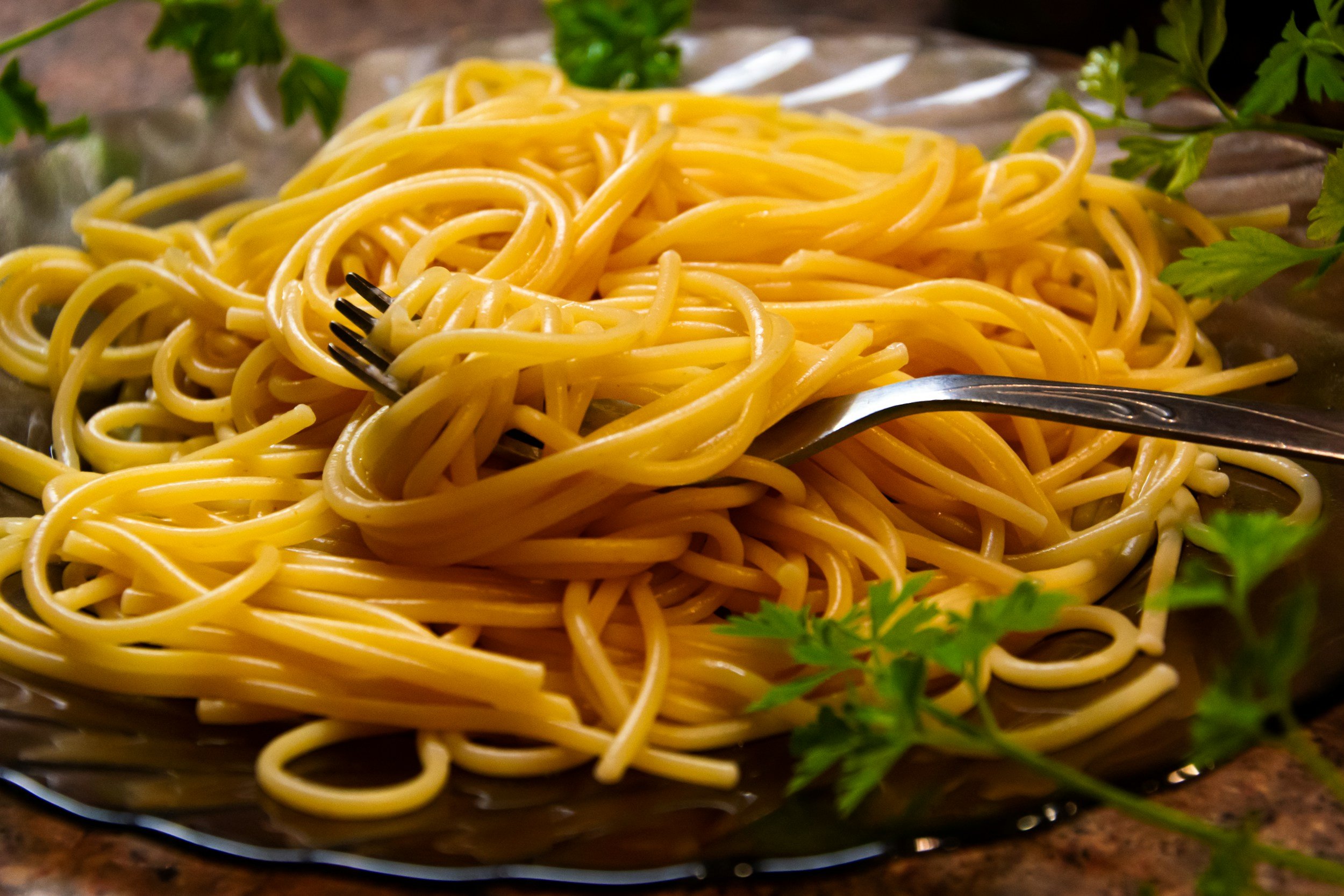
If you’ve recently moved to the mountains or are visiting a high-altitude retreat, you might have noticed something strange in the kitchen. Your pasta is still crunchy after ten minutes, your hard-boiled eggs are runny, and your famous pot roast is coming out dry and tough despite hours of simmering.
At Simply Altitude, we know that mountain living comes with a learning curve—and the kitchen is where that curve is steepest. Cooking at 5,000 feet or higher isn't just a matter of preference; it’s a matter of physics.
In this guide, we’ll dive deep into the science of why altitude affects your stove and oven, and provide actionable tips to ensure your meals are just as delicious at the summit as they are at sea level.
The Physics of the Peak: Why Time Changes at Altitude
To fix the problem, we first have to understand why it happens. It all comes down to two factors:
1. The Pressure Drop
As you move higher in elevation, the layer of atmosphere sitting on top of you becomes thinner. This means there is less "weight" or pressure pushing down on everything, including your pots and pans.
2. The Boiling Point Paradox
At sea level, water boils at 212°F (100°C). However, because there is less atmospheric pressure at high altitudes to keep water molecules in their liquid state, they can escape into steam much more easily.
For every 500-foot increase in elevation, the boiling point of water drops by roughly 1°F.
Sea Level: 212°F
5,000 Feet: ~203°F
10,000 Feet: ~194°F
The Core Problem: Since your water is boiling at a lower temperature, the heat energy being transferred to your food is lower. You can turn the flame up as high as you want, but the water will never get hotter than its boiling point—it will just evaporate faster. Therefore, the food simply takes longer to reach the necessary internal temperature.
Cooking in Water: Pasta, Grains, and Eggs
When your cooking medium is water, you are essentially working with a "broken" thermometer. Because atmospheric pressure is lower at high altitudes, water molecules can escape into the air more easily, causing water to boil at a much lower temperature—roughly 202°F in Denver compared to 212°F at sea level. While the water looks like it is boiling vigorously, it simply isn't as hot as it would be at the coast. This means that "boiling" no longer carries the same heat energy, and your food will take significantly longer to cook.
Here is how to adjust.
The Pasta and Grain Strategy
If you follow the box instructions for "Al Dente" pasta at 7,000 feet, you will likely end up with something unpleasantly chalky.
The Time Tax: Expect to add 15–25% more cooking time for dried pasta.
Watch the Water Level: Because water evaporates faster at altitude, you may need to start with more water in the pot or add a splash of boiling water midway through to keep the pasta submerged.
Rice and Beans: These are the most difficult. Brown rice can take up to 20 minutes longer. For dried beans, soaking is mandatory. Without a pre-soak, the beans may never soften before the water evaporates away.
The Perfect High-Altitude Egg
Eggs are perhaps the most frustrated victims of elevation. A "3-minute egg" at sea level is a runny mess at 8,000 feet. For hard-boiled eggs, the standard ‘boil and turn off the heat’ method often fails because the water temperature drops too quickly to set the proteins. Instead, keep the water at a very low simmer for the duration of the cook time. Expect to add at least 2 to 5 minutes to your timer depending on your specific elevation. The key is patience; you cannot rush the chemistry of protein coagulation when the heat ceiling has been lowered by the mountain air.
Hard-Boiled: If you usually boil eggs for 10 minutes, try 12 to 14 minutes at altitude.
The Cold Start Method: Place eggs in cold water, bring to a boil, then remove from heat and cover. At sea level, this takes 12 minutes. At high altitude, let them sit for 18–20 minutes to ensure the yolks are set.
High-Altitude Kitchen Cheat Sheet
| Category | Adjustment | Why It Matters |
|---|---|---|
| Boiling Water | Increase cook time by 20–25% | Water boils at a lower temp; heat is less intense. |
| Pasta & Grains | Add 15–20% more liquid | Rapid evaporation dries out the pot before grains soften. |
| Baking Temp | Increase oven by 15°F–25°F | Sets the structure before gas bubbles over-expand. |
| Baking Sugar | Decrease by 1–2 tbsp per cup | Sugar concentrates as moisture leaves, weakening structure. |
| Baking Liquid | Increase by 2–4 tbsp per cup | Counteracts the ultra-dry mountain air. |
| Leavening | Decrease yeast/powder by 25% | Lower pressure makes dough rise too fast and collapse. |
| Meat & Braises | Add 1 hour per 3,000 ft | Connective tissue breaks down slower in "cooler" boiling water. |
| Seasoning | Salt at the end of cooking | Liquids reduce faster, which can make early salting "salty." |
Three Rules for Success at Elevation
- Cover Your Pots: Always use a tight-fitting lid. This traps steam, increases internal pressure slightly, and prevents your braising liquid from vanishing.
- Trust the Thermometer, Not the Timer: Internal temperature is the only way to ensure meat and cakes are done.
- For Meats: Use standard safety temps, but expect it to take longer to get there.
- For Cakes: Use the adjusted elevation chart to pull them early (185°F–195°F range).
- Hydrate Your Dough: High-altitude flour is often drier than sea-level flour. If your dough feels "tight" or crumbly, add water one tablespoon at a time until it feels supple.
Meat: The Challenge of Dryness
Cooking meat at high altitude is a double-whammy of difficulty. Not only does the lower boiling point affect braising, but the extremely dry air at altitude sucks moisture out of meat during roasting and grilling.
Why High-Altitude Meat Dries Out
The first hurdle is the physical limit of the boiling point. If you are poaching or braising meat, the liquid surrounding the protein cannot get hot enough to break down tough connective tissues (collagen) as quickly as it does at sea level. This means a pot roast that takes three hours in Florida might take five hours in the Rockies. If you try to rush it by turning up the flame, you won't increase the temperature—you’ll just boil the liquid away faster, leaving you with tough, unrendered meat.
The second, and perhaps more aggressive, challenge is the extreme lack of humidity. High-altitude air is notoriously thirsty; it acts like a sponge, pulling moisture out of everything it touches. When you place a steak on a grill or a roast in the oven, the dry air accelerates the evaporation of the meat's internal juices long before the interior reaches the desired temperature. This is why meat often goes from raw to overcooked in a matter of minutes.
To combat this, you must prioritize moisture retention. Marinating becomes more important, as does the use of a high-quality digital thermometer to prevent overcooking by even a single degree. For larger roasts, consider lowering your oven temperature by 25°F and extending the cook time; this ‘low and slow’ approach gives the heat time to penetrate the center without the dry exterior air wicking away all the moisture. Finally, never skip the resting phase. At altitude, meat loses its internal pressure quickly, so resting under a loose foil tent for 10–15 minutes is vital to allow the juices to redistribute rather than escaping onto your cutting board.
Tips for Juicy Meat
Lower and Slower: To prevent the exterior from drying out before the interior is done, lower your oven temperature by about 25°F and extend the cooking time.
The Power of the Brine: Always brine your poultry and pork. Submerging meat in a salt-water solution for a few hours before cooking forces extra moisture into the muscle fibers, providing a "buffer" against the dry mountain air.
Use a Meat Thermometer: This is non-negotiable. Because sea level timings don't work, you must rely on internal temperature.
The Rest is Best: Meat loses more moisture during the ‘rest’ phase at altitude. Tent your meat tightly with foil to trap the steam while it rests.
Soups, Stews, and Braises: The Long Simmer
Soups and stews are the quintessential mountain comfort food, but they are also the dishes that require the most significant logistical adjustments. At high altitude, the simmering process becomes much longer. Because the cooking liquid is simmering at a lower temperature (190°F–200°F depending on your height), the chemical breakdown of vegetables and meats slows down significantly. Carrots, potatoes, and onions—which usually soften in 20 minutes at sea level—can remain stubbornly crunchy for nearly double that time.
The most critical factor to manage in a high-altitude stew is evaporation. Because the air is dry and the boiling point is low, water turns to steam much faster than you’d expect. If you leave a soup to simmer uncovered for two hours, you may return to find a salty concentrate rather than a balanced broth. To prevent this, always keep your pots tightly covered with a well-fitting lid to trap as much moisture as possible. You should also start with more liquid than the recipe calls for—usually an extra cup or two of stock or water for every hour of simmering.
Flavor also undergoes a strange transformation at elevation. As the liquid evaporates more rapidly, the salt and seasonings become concentrated. A soup that was perfectly seasoned at the start can become a salt bomb by the end of the cook. The best practice for mountain cooks is to lightly salt at the beginning and only do your final seasoning in the last ten minutes of cooking. If you find yourself constantly frustrated by the time it takes to get a stew to "fork-tender," this is the environment where a pressure cooker or Instant Pot becomes a literal lifesaver. By artificially increasing the pressure inside the vessel, you raise the boiling point of the liquid back up to (and beyond) sea-level temperatures, cutting your cooking time by 70% and locking in the moisture that the mountain air is trying to steal.
Managing Evaporation
In a long-simmering beef stew, you might lose half your liquid to evaporation before the meat is tender.
Keep a Lid on It: Always cook with a tight-fitting lid to create a micro-environment of higher pressure and humidity.
Flavor Concentration: Because water evaporates but salt and seasonings do not, your soup can become an "accidental salt bomb." Under-season at the beginning and do your final salt adjustment only when the cooking is finished.
The Secret Weapon: The Pressure Cooker
If you live at high altitude, a pressure cooker (like an Instant Pot) is your best friend. By sealing the vessel, you artificially increase the atmospheric pressure inside. This raises the boiling point of the liquid back up to (and beyond) 212°F.
A pot roast that takes 6 hours to simmer on a stove at 8,000 feet can be done in 60 minutes in a pressure cooker.
Baking: A Brief Mention
While this guide focuses on stovetop and meat, it’s worth noting that baking is also affected. Leavening gases (air, steam, CO2) expand more quickly at low pressure.
Adjustment: Decrease baking powder/soda, increase liquid slightly, and increase oven temperature to set the structure of the cake before the bubbles over-expand and collapse.
There is lots more information at Simply Altitude on how elevation affects your baking. Head over to our High Altitude Baking Made Simple page to start learning about how to adjust your favorite recipes.
Summary of Adjustments
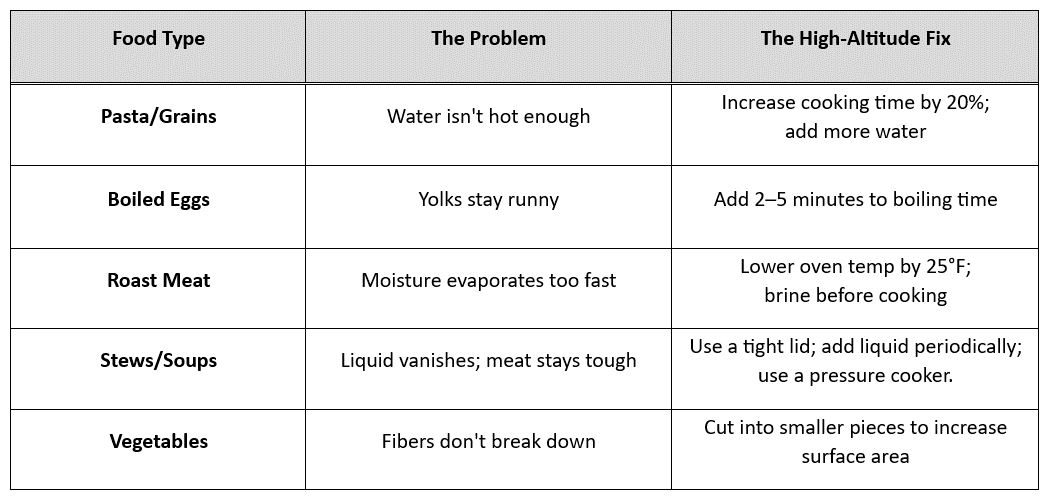
Living at high altitude requires us to be a little more intentional with our time—especially in the kitchen. Once you understand that you aren't fighting your stove, but rather the physics of the atmosphere, you can adjust your techniques to produce world-class meals.
The most important takeaway?
Be patient.
Your food will get there; it just wants to enjoy the mountain view for a few extra minutes.
Altitude Affects More Than Your Kitchen
From how bread rises to how your body hydrates, elevation changes everything.
Explore more resources below:
New to life at elevation?
GRAB OUR FREE RESOURCE GUIDE BELOW:
Living at High-Altitude Resource Guide | Baking, Gardening, and Thriving Above the Clouds