Thank You!
You’re officially one step closer to thriving at high altitude.
Bake, Grow & Live Better at High Altitude—Without the Guesswork
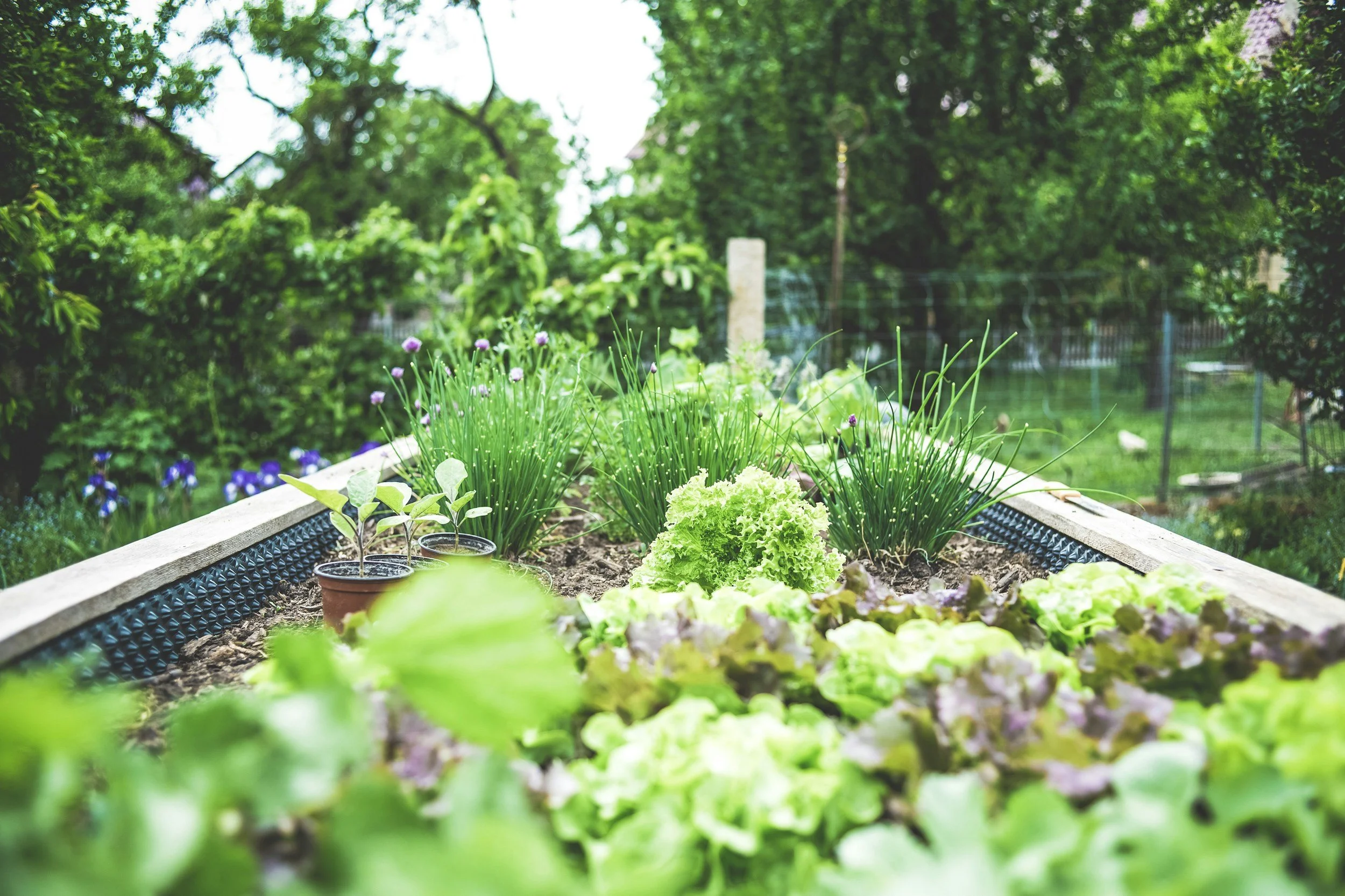
Make sure and save your free printable checklist to access on your computer or print for easy access in the garden!
Explore More:
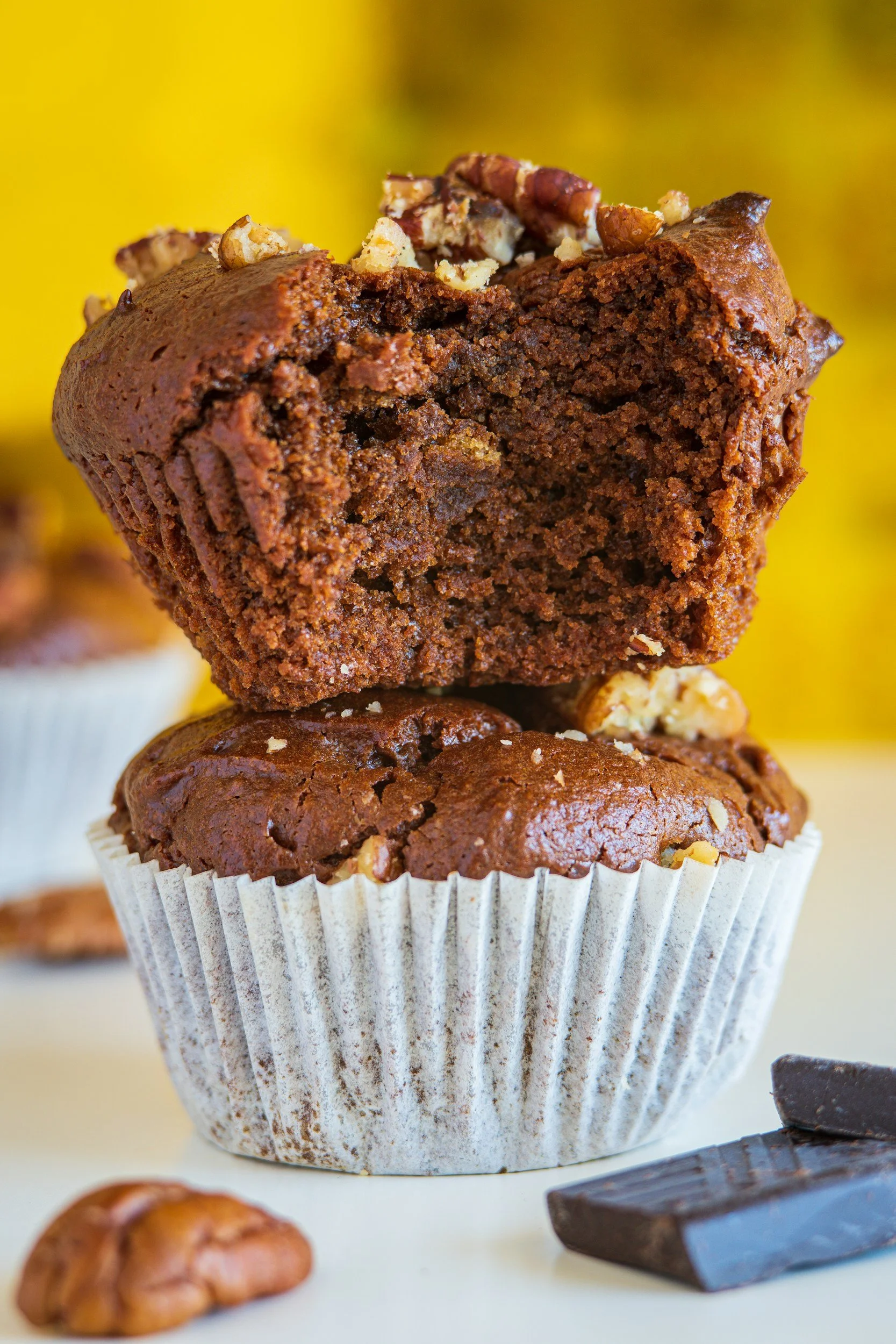
If you’re following sea-level recipes, your altitude is likely the culprit for those gooey brownies and raw muffins. Here is exactly why altitude affects bake time and how to adjust your oven for success.
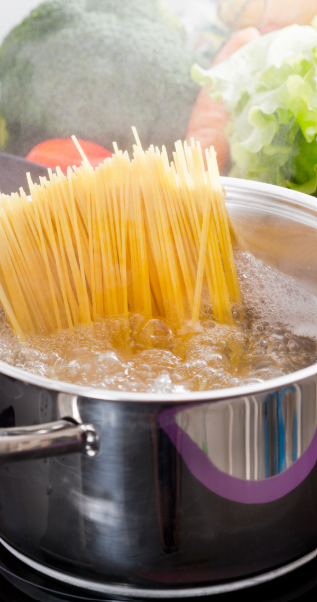
Ever wonder why a "3-minute egg" is still runny at 8,000 feet? Living at elevation changes the physics of your kitchen. From the "Boiling Point Paradox" to the challenges of dry mountain air, learn why your favorite recipes act differently at altitude—and how to adjust your techniques for perfectly cooked meals every time.
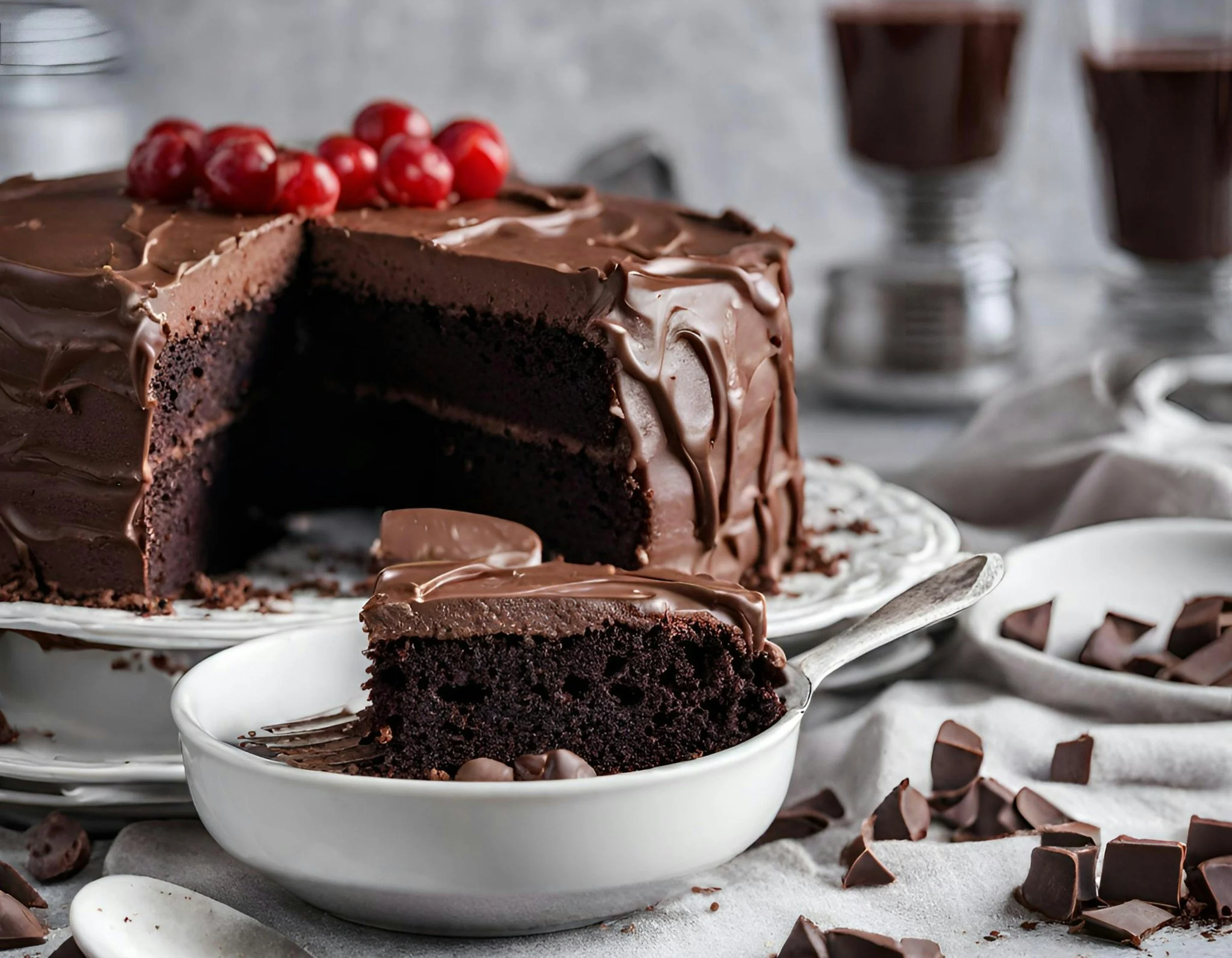
The #1 cause of dry cakes at altitude isn't your recipe—it's overbaking. Because moisture evaporates faster in thin air, sea-level 'doneness' tests often fail. By the time a toothpick comes out clean, your cake is already overdone. Learn how to use internal temperature ranges tailored to your specific elevation to pull your cakes at the perfect moment for a moist, tender crumb every time.
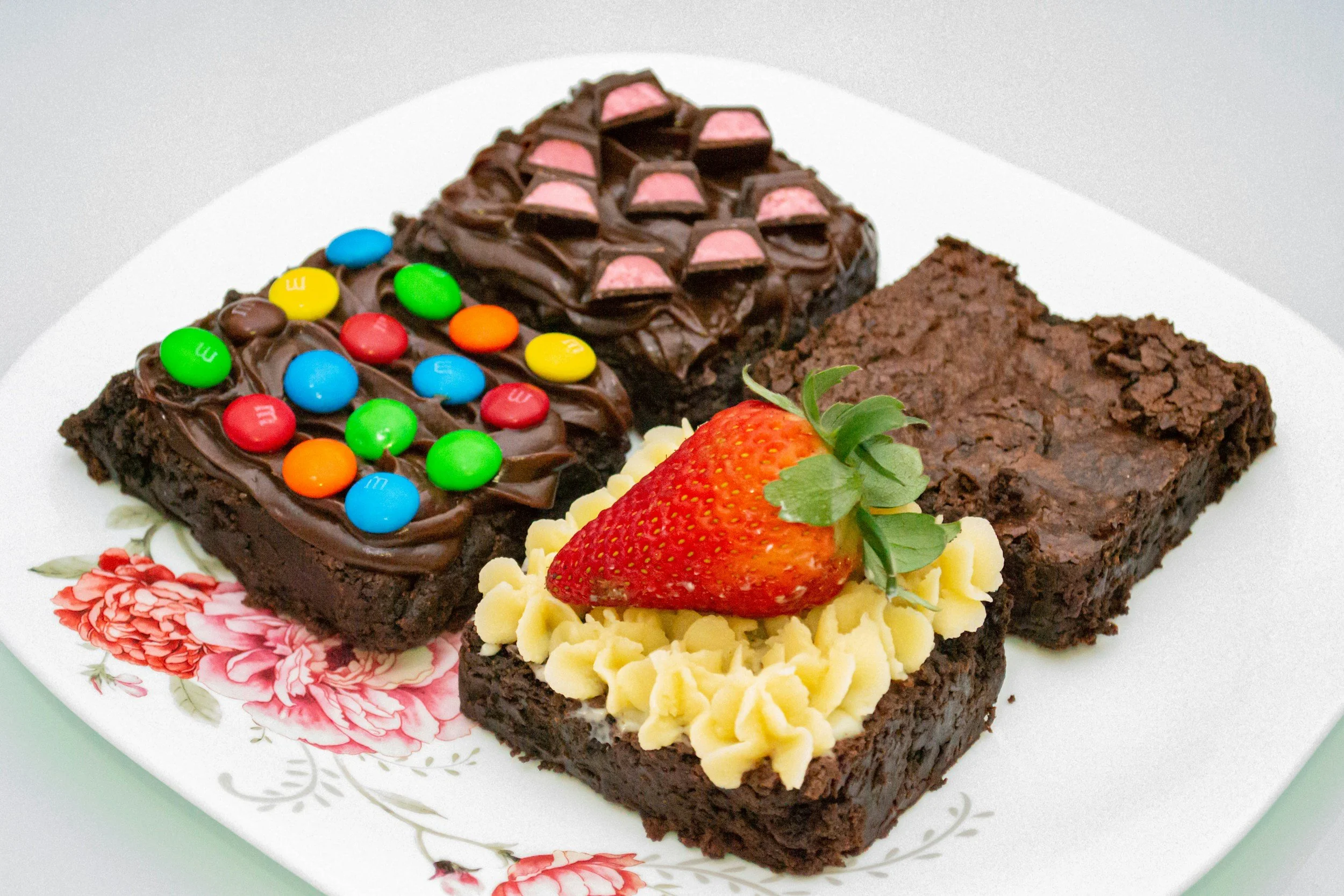
Why do your cakes sink in the middle and your brownies turn out dry once you're above 3,000 feet? It all comes down to the internal temperature based on your elevation. Because water evaporates faster in thinner air, the sea-level temperature targets in your favorite recipes will overbake your goods every time. Discover the adjusted temperature chart you need to keep your bread soft and your cakes perfectly set.
Training or living at elevation? Your standard hydration plan won't cut it. Between 'insensible water loss' and increased respiration, altitude changes the math of performance. Learn the specific equation to calculate your increased fluid needs and why simply drinking more water isn't enough to stay hydrated above 5,000 feet.
Did your cake sink in the middle at high altitude? From oven temperature to leavening ratios, this step-by-step Simply Altitude troubleshooting guide explains exactly why sunken cakes happen above sea level—and how to fix them for perfectly risen, reliable bakes.
The mountain views are breathtaking, but for sea-level guests, the thin air can be literally breath-taking. From canned oxygen for altitude to the science of high-altitude hydration, here is how to prep your home and your itinerary to ensure your guests stay healthy, hydrated, and happy during their high-altitude visit. Mountain hosting tips for altitude sickness prevention. Acclimatization for guests with high altitude hydration, sunscreen, lip balm, and canned oxygen
Why is your cake dry or dense at high altitude? Learn the real causes—from overbaking to ingredient ratios—and proven fixes that actually work.
Ever wonder why your cookies went flat or your cake didn't rise? It all comes down to the science of leaveners! Learn the key differences between baking soda and baking powder, when to use each, and sharing the must-know substitution ratios for when you’re in a pinch.
Growing fruit trees at high elevation is possible with the right varieties and care. From apples, cherries, pears and plums, fruit trees can thrive in zones 4–6 when properly watered, winterized, and protected from pests. This guide covers the best cold-hardy fruit trees for mountain climates and how to care for them year-round.